

As a supplier of 2-Pentanone, I often encounter inquiries from customers about its various chemical properties and potential reactions. One question that frequently comes up is whether 2-Pentanone can undergo reduction reactions. In this blog post, I will delve into this topic, exploring the science behind the reduction of 2-Pentanone and its implications for different industries.
Understanding 2-Pentanone
2-Pentanone, also known as methyl propyl ketone, is a colorless, flammable liquid with a characteristic odor. It is commonly used as a solvent in various industrial applications, including the production of paints, coatings, and adhesives. Its chemical formula is C₅H₁₀O, and it contains a carbonyl group (C=O) at the second carbon atom in the pentane chain. This carbonyl group is the key to understanding its reactivity, especially in reduction reactions.
Reduction Reactions: An Overview
Reduction reactions involve the gain of electrons by a molecule, often accompanied by the addition of hydrogen atoms or the removal of oxygen atoms. In the context of organic chemistry, carbonyl compounds like 2-Pentanone can be reduced to form different products depending on the reducing agent and reaction conditions. The most common reduction products of ketones are alcohols.
Can 2-Pentanone Undergo Reduction Reactions?
The answer is a resounding yes. 2-Pentanone can indeed undergo reduction reactions. The carbonyl group in 2-Pentanone is susceptible to attack by reducing agents, which can donate electrons to the carbonyl carbon, leading to the formation of an alcohol. There are several reducing agents that can be used for this purpose, each with its own advantages and limitations.
Using Metal Hydrides
One of the most common methods for reducing 2-Pentanone is by using metal hydrides such as sodium borohydride (NaBH₄) or lithium aluminum hydride (LiAlH₄). These reducing agents are powerful sources of hydride ions (H⁻), which can attack the carbonyl carbon of 2-Pentanone.
When 2-Pentanone reacts with sodium borohydride in an appropriate solvent, such as ethanol, the hydride ion from NaBH₄ adds to the carbonyl carbon, forming an alkoxide intermediate. This intermediate is then protonated by the solvent to yield 2-Pentanol, a secondary alcohol. The reaction is relatively mild and can be carried out at room temperature.
On the other hand, lithium aluminum hydride is a much stronger reducing agent. It can reduce 2-Pentanone to 2-Pentanol under more vigorous conditions. However, LiAlH₄ is more reactive and sensitive to moisture, so the reaction must be carried out in anhydrous conditions.
Catalytic Hydrogenation
Another method for reducing 2-Pentanone is through catalytic hydrogenation. In this process, 2-Pentanone is reacted with hydrogen gas (H₂) in the presence of a catalyst, such as palladium on carbon (Pd/C) or platinum (Pt). The catalyst activates the hydrogen molecule, allowing it to add across the carbonyl double bond.
Catalytic hydrogenation is a clean and efficient method for reducing 2-Pentanone to 2-Pentanol. It is often used in industrial settings where large-scale production is required. However, the reaction requires high pressure and temperature, as well as specialized equipment.
Applications of Reduced 2-Pentanone
The reduction of 2-Pentanone to 2-Pentanol has several important applications in different industries.
Solvent Applications
2-Pentanol can be used as a solvent in various industries, similar to 2-Pentanone. It has a higher boiling point and lower volatility compared to 2-Pentanone, which makes it suitable for applications where a more stable solvent is required. It can be used in the production of paints, coatings, and printing inks.
Chemical Synthesis
2-Pentanol can also be used as a starting material for the synthesis of other chemicals. It can be further oxidized to form other carbonyl compounds, such as N-Valeric Acid. Additionally, it can be used in the synthesis of esters, which are widely used in the fragrance and flavor industry.
Comparison with Other Ketones
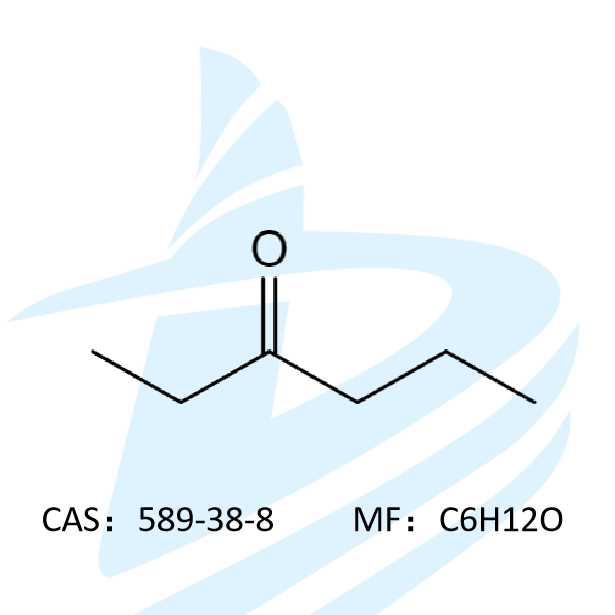
It is interesting to compare the reduction of 2-Pentanone with other similar ketones, such as 3-hexanone and 2-Heptanone. These ketones also contain a carbonyl group and can undergo reduction reactions to form the corresponding alcohols.
The reactivity of these ketones in reduction reactions is influenced by several factors, including the size of the alkyl groups attached to the carbonyl carbon. Larger alkyl groups can provide more steric hindrance, which can slow down the reaction rate. However, the general principles of reduction remain the same for all these ketones.
Conclusion
In conclusion, 2-Pentanone can undergo reduction reactions to form 2-Pentanol using various reducing agents and reaction conditions. The reduction of 2-Pentanone has important applications in different industries, including solvent applications and chemical synthesis. As a supplier of 2-Pentanone, I am well aware of the potential of this compound and its derivatives.
If you are interested in purchasing 2-Pentanone for your industrial or research needs, or if you have any questions about its reduction reactions or other properties, please feel free to contact me for further discussion and potential procurement. I am committed to providing high-quality products and excellent customer service.

References
- Carey, F. A., & Sundberg, R. J. (2007). Advanced Organic Chemistry: Part A: Structure and Mechanisms. Springer.
- McMurry, J. (2012). Organic Chemistry. Cengage Learning.
- Vollhardt, K. P. C., & Schore, N. E. (2014). Organic Chemistry: Structure and Function. W. H. Freeman.




