Hey there! I'm a supplier of Pentachloropyridine, and today I wanna chat about the import and export situations of this chemical.
What is Pentachloropyridine?
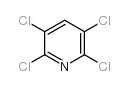
First off, let's quickly go over what Pentachloropyridine is. It's an important intermediate in the chemical industry. You can find more detailed info about it on Pentachloropyridine. This chemical is widely used in the synthesis of various pharmaceuticals, pesticides, and other fine - chemicals. It has a unique chemical structure that makes it a valuable building block for creating more complex molecules.
Global Demand and Supply
The global demand for Pentachloropyridine has been on the rise in recent years. With the growth of the agrochemical and pharmaceutical industries, there's a greater need for high - quality Pentachloropyridine. In the agrochemical sector, it's used to produce some high - efficiency pesticides that can protect crops from various pests and diseases. In the pharmaceutical field, it can be used in the synthesis of certain drugs.
On the supply side, there are a number of producers around the world. But the market is still quite competitive. Some regions are major producers, while others rely on imports to meet their local demand.
Import Situations
Regions with High Import Demand
There are several regions where the import of Pentachloropyridine is significant. For example, some European countries have a relatively high demand for this chemical. Their well - developed pharmaceutical and agrochemical industries require a stable supply of high - quality Pentachloropyridine. Since the production cost in some European countries can be relatively high, they often import from regions with lower production costs.
In Asia, countries like Japan and South Korea also import a considerable amount of Pentachloropyridine. Their advanced chemical and pharmaceutical research and development sectors need this chemical for new product development.
Import Regulations
When it comes to importing Pentachloropyridine, different countries have different regulations. These regulations are mainly about safety, environmental protection, and quality control. For example, some countries require importers to provide detailed product information, including the source of production, the manufacturing process, and the quality inspection reports. This is to ensure that the imported Pentachloropyridine meets their local standards.


Export Situations
Major Exporting Regions
Some regions are major exporters of Pentachloropyridine. China, for instance, is one of the leading exporters in the world. The relatively low production cost, large - scale production capacity, and advanced production technology in China make its Pentachloropyridine products very competitive in the international market.
India is also an important exporting country. It has a well - established chemical industry and can produce Pentachloropyridine at a reasonable cost.
Export Challenges
However, exporting Pentachloropyridine also faces some challenges. One of the main challenges is the transportation. Since Pentachloropyridine is a chemical, it needs to be transported under strict safety conditions. There are also some trade barriers in some countries, such as high tariffs and non - tariff barriers, which can affect the export volume.
Market Trends
Technological Advancements
The development of new production technologies is having an impact on the import and export of Pentachloropyridine. New technologies can improve the production efficiency, reduce the production cost, and enhance the product quality. For example, some new catalytic processes can increase the yield of Pentachloropyridine synthesis, making the product more competitive in the international market.
Environmental Concerns
Environmental concerns are also playing an important role in the market. As more and more countries pay attention to environmental protection, the production and trade of Pentachloropyridine need to meet stricter environmental standards. Producers need to invest in environmental protection facilities to reduce the pollution during the production process.
My Experience as a Supplier
As a supplier of Pentachloropyridine, I've seen the ups and downs of the market. I've dealt with both domestic and international customers. I know how important it is to ensure the quality of the product. We always follow the strictest quality control procedures to make sure that our Pentachloropyridine meets the highest standards.
We also pay close attention to the market trends. We're constantly looking for new production technologies to improve our efficiency and reduce costs. And we're well - aware of the environmental regulations in different countries, so we can ensure that our products can be smoothly traded in the international market.
Related Products
Pentachloropyridine can be further processed into other important chemicals. One of them is 2,3,5,6 - Tetrachloropyridine. This chemical is also widely used in the chemical industry, especially in the synthesis of some special pesticides and pharmaceuticals.
Why Choose Our Pentachloropyridine?
If you're in the market for Pentachloropyridine, here are some reasons to choose our products. First of all, we offer high - quality Pentachloropyridine. Our strict quality control system ensures that every batch of our product meets the international standards.
Secondly, we have a competitive price. Thanks to our efficient production process and cost - control measures, we can offer our products at a reasonable price.
Finally, we provide excellent customer service. We can offer timely delivery, detailed product information, and technical support. Whether you're a small - scale user or a large - scale industrial enterprise, we can meet your needs.
Let's Connect
If you're interested in our Pentachloropyridine products, or if you have any questions about the import and export of this chemical, don't hesitate to get in touch. We're always ready to have a detailed discussion with you and explore the possibilities of cooperation.
References
- Chemical Market Reports on Pentachloropyridine
- Industry Journals on Agrochemicals and Pharmaceuticals
- International Trade Regulations on Chemicals