As a trusted supplier of 2 - Pentanone, I am often asked about the purity requirements of this chemical in various industrial applications. In this blog post, I will delve into the significance of purity, the different purity levels needed for different industries, and how our company ensures that we meet these exacting standards.
The Importance of Purity in 2 - Pentanone
2 - Pentanone, also known as methyl propyl ketone, is a versatile organic compound with a wide range of industrial uses. Its purity is of utmost importance because even minor impurities can have a significant impact on its performance in various applications. Impurities can alter the chemical and physical properties of 2 - Pentanone, leading to sub - optimal results in industrial processes.
High - purity 2 - Pentanone is essential for applications where precision and consistency are required. For example, in the pharmaceutical industry, any impurities in the raw materials can potentially contaminate the final drug product, posing risks to patient safety. In the electronics industry, impurities can cause corrosion or affect the electrical properties of components, leading to product failures.
Purity Requirements in Different Industrial Sectors
Pharmaceutical Industry
In the pharmaceutical industry, the purity requirements for 2 - Pentanone are extremely high. It is often used as a solvent in the synthesis of various drugs. The purity of 2 - Pentanone used in this sector typically needs to be above 99%. This high level of purity ensures that there are no unwanted side reactions during the drug synthesis process and that the final drug product meets strict quality and safety standards. Any impurities could introduce toxic substances or affect the efficacy of the drug.
Electronics Industry
The electronics industry also demands high - purity 2 - Pentanone. It is used as a cleaning agent for electronic components. Impurities in 2 - Pentanone can leave residues on the components, which can interfere with their electrical performance. For this application, a purity level of at least 99.5% is usually required. This high - purity 2 - Pentanone can effectively remove contaminants without leaving any harmful residues behind.
Coatings and Paints Industry
In the coatings and paints industry, the purity requirements for 2 - Pentanone are relatively less stringent compared to the pharmaceutical and electronics industries. However, a purity level of around 98% is still commonly required. 2 - Pentanone is used as a solvent in coatings and paints to control viscosity and improve the flow properties of the formulations. Impurities at low levels may not have a significant impact on the overall performance of the coatings and paints, but higher levels of impurities can cause issues such as poor adhesion, color variations, and reduced durability.
Chemical Synthesis
In general chemical synthesis, the purity requirements for 2 - Pentanone can vary depending on the specific reaction. For some reactions, a purity level of 95% - 97% may be sufficient. However, for more complex or sensitive reactions, a higher purity level of 99% or above is necessary. Impurities can act as catalysts or inhibitors in chemical reactions, altering the reaction rate and the yield of the desired product.
How Our Company Ensures High - Purity 2 - Pentanone
As a leading supplier of 2 - Pentanone, we understand the critical importance of purity in different industrial applications. We have implemented a comprehensive quality control system to ensure that our 2 - Pentanone meets or exceeds the purity requirements of our customers.
Our manufacturing process starts with high - quality raw materials. We carefully select our suppliers and conduct strict inspections of the raw materials before they are used in the production of 2 - Pentanone. During the production process, we use advanced distillation and purification techniques to remove impurities. Our state - of - the - art distillation columns are designed to achieve high - precision separation, allowing us to obtain 2 - Pentanone with extremely high purity.
In addition to the production process, we also have a rigorous quality testing program. Every batch of 2 - Pentanone is tested using advanced analytical instruments such as gas chromatography - mass spectrometry (GC - MS) and high - performance liquid chromatography (HPLC). These instruments can accurately detect and quantify impurities at very low levels, ensuring that the purity of our 2 - Pentanone meets the specified requirements.
Comparison with Similar Compounds
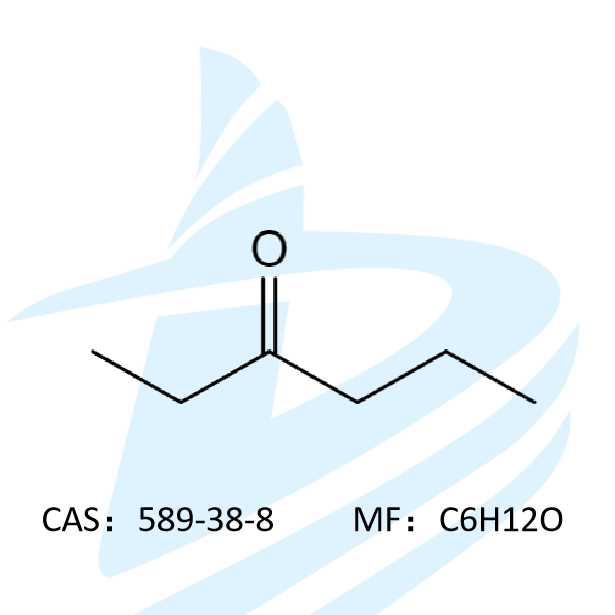
It is also worth comparing 2 - Pentanone with some similar compounds such as Pinacolone, 2 - Heptanone, and 3 - hexanone. While these compounds have similar chemical structures and some overlapping applications, their purity requirements can vary depending on the specific use.
Pinacolone is often used in the synthesis of pesticides and pharmaceuticals. The purity requirements for pinacolone are also relatively high, similar to those of 2 - Pentanone in the pharmaceutical industry. 2 - Heptanone is used as a solvent in the printing ink and rubber industries. The purity requirements for 2 - Heptanone in these applications are generally around 98% - 99%. 3 - hexanone is used in the flavor and fragrance industry, and its purity requirements can be quite high to ensure the quality and safety of the final products.
Conclusion
In conclusion, the purity requirements of 2 - Pentanone vary significantly depending on the industrial application. High - purity 2 - Pentanone is crucial for industries such as pharmaceuticals and electronics, where precision and safety are of utmost importance. Our company is committed to providing high - quality 2 - Pentanone that meets the diverse purity requirements of our customers.

If you are in need of 2 - Pentanone for your industrial applications, we invite you to contact us for more information and to discuss your specific requirements. Our team of experts is ready to assist you in finding the right product with the appropriate purity level for your needs.
References
- Smith, J. (2020). Chemical Solvents in Industrial Applications. Publisher: Chemical Press.
- Johnson, A. (2019). Quality Control in the Pharmaceutical Industry. Publisher: Pharma Books.
- Brown, C. (2018). Electronics Cleaning Agents and Their Purity Requirements. Journal of Electronics Manufacturing, 15(2), 45 - 52.