

Can 2 - Pentanone be used in the printing industry?
As a supplier of 2 - Pentanone, I've often been asked about the potential applications of this chemical compound, especially in the printing industry. In this blog, I'll explore whether 2 - Pentanone can find its place in the printing processes and discuss its properties, advantages, and possible limitations.
Understanding 2 - Pentanone
2 - Pentanone, also known as methyl propyl ketone, is a clear, colorless liquid with a pleasant odor. It has a molecular formula of C₅H₁₀O and is a member of the ketone family. This compound is relatively volatile, with a boiling point of around 102 °C, and it is soluble in many organic solvents. Its physical and chemical properties make it a candidate for various industrial applications, but let's focus on its potential in the printing industry.
Properties Relevant to Printing
Solvency Power
One of the key requirements in the printing industry is the ability to dissolve various printing inks and pigments. 2 - Pentanone has good solvency power for a wide range of resins, polymers, and dyes commonly used in printing inks. It can effectively dissolve both oil - based and some water - reducible inks. This property allows for better dispersion of the ink components, resulting in a more uniform and consistent print quality. For example, in flexographic and gravure printing, where high - quality ink transfer is crucial, a solvent with good solvency like 2 - Pentanone can help ensure that the ink adheres well to the substrate and provides sharp, clear images.
Drying Characteristics
The drying time of printing inks is another important factor. 2 - Pentanone has a relatively fast evaporation rate. This means that when used in inks, it can contribute to a quicker drying process. In high - speed printing operations, such as commercial printing presses, fast - drying inks are essential to prevent smudging and to increase the production rate. However, the fast evaporation rate also needs to be carefully controlled. If the ink dries too quickly, it may cause issues such as clogging of the printing equipment or poor adhesion to the substrate.
Compatibility with Printing Equipment
2 - Pentanone is generally compatible with many types of printing equipment. It does not corrode or damage the metal parts of printing presses, rollers, and other components commonly used in the industry. This compatibility ensures the long - term reliability and performance of the printing equipment. Additionally, it can be used in combination with other solvents and additives without causing significant chemical reactions that could affect the functionality of the equipment.
Advantages of Using 2 - Pentanone in Printing
Cost - Effectiveness
Compared to some other solvents used in the printing industry, 2 - Pentanone can be a cost - effective option. It is relatively inexpensive to produce and source, which can help reduce the overall production cost of printing inks. This cost advantage is particularly important for large - scale printing operations where cost control is a major concern.
Environmental Considerations
While no chemical is completely "green," 2 - Pentanone has some environmental advantages over certain other solvents. It has a relatively low toxicity compared to some of the traditional solvents used in printing, such as benzene - based compounds. This can lead to a safer working environment for printing operators. Additionally, its relatively fast evaporation rate means that it is less likely to remain in the printed product, reducing the potential for long - term exposure to harmful chemicals.
Possible Limitations
Flammability
One of the main limitations of 2 - Pentanone is its flammability. It has a relatively low flash point (around 7 °C), which means it can easily catch fire in the presence of an ignition source. In the printing industry, where there are often heat sources and electrical equipment, proper safety measures need to be in place when using 2 - Pentanone. This includes storing it in a well - ventilated area, using explosion - proof equipment, and providing appropriate fire - fighting facilities.
Regulatory Requirements
Like all chemicals used in industry, 2 - Pentanone is subject to various regulatory requirements. These regulations govern its production, storage, transportation, and use. Printing companies need to ensure that they comply with all relevant regulations to avoid legal issues. For example, there may be restrictions on the amount of 2 - Pentanone that can be used in certain types of printing inks, especially in applications where the printed product comes into contact with food or other sensitive materials.
Comparison with Other Solvents
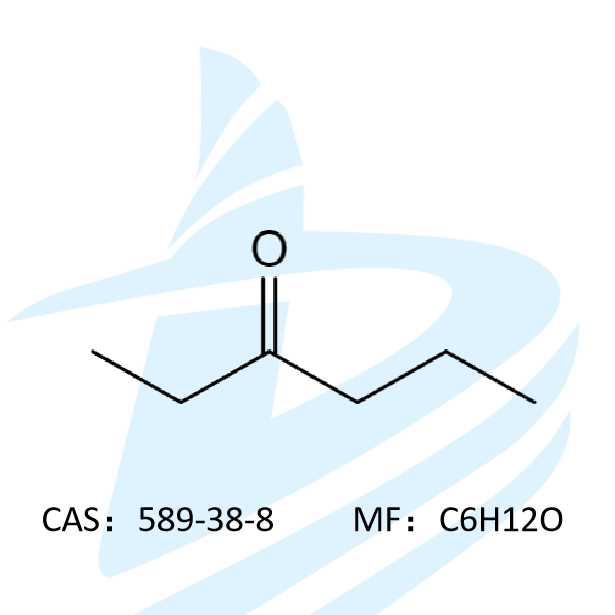
When considering the use of 2 - Pentanone in the printing industry, it's useful to compare it with other solvents commonly used. For instance, 3 - hexanone is another ketone - based solvent. It has a higher boiling point and a slower evaporation rate compared to 2 - Pentanone. This may make it more suitable for applications where a slower drying time is desired, such as in some specialty printing processes. On the other hand, Pinacolone has different solvency characteristics and may be used in specific types of inks where its unique properties are more beneficial. 2 - Heptanone also has its own set of properties, including a higher molecular weight and different solubility profiles, which may make it more appropriate for certain printing applications.

Conclusion
In conclusion, 2 - Pentanone has significant potential for use in the printing industry. Its solvency power, drying characteristics, and compatibility with printing equipment make it a viable option for formulating high - quality printing inks. However, its flammability and regulatory requirements need to be carefully managed. When used properly, it can offer cost - effectiveness and some environmental advantages.
If you are in the printing industry and are interested in exploring the use of 2 - Pentanone in your printing processes, I encourage you to contact me for more information. We can discuss your specific requirements, conduct trials, and provide you with samples to evaluate its performance in your operations. Whether you are looking to improve print quality, increase production speed, or reduce costs, 2 - Pentanone may be the solution you've been searching for.
References
- "Handbook of Printing Ink Formulations" by John Wiley & Sons.
- "Industrial Solvents Handbook" edited by Michael Ash and Irene Ash.
- Various technical data sheets provided by chemical manufacturers on 2 - Pentanone properties and applications.




