




Basic Chemicals
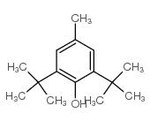
In fact basic chemicals are chemical substances used as a starting material for the production of a wide variety of other chemicals; for this reason they are in general commodities, because they are highly demanded. Some examples of basic chemicals are: ethylene, benzene, chlorine and sulfuric acid.
Advantages Of Basic Chemicals
1.Chemicals moving towards net-zero emissions
Many end products made from chemicals can help tackle climate change. But the industrial process used to make the chemicals creates a lot of carbon dioxide (CO2) emissions.
2.Chemicals improve energy efficiency
We are looking at four main areas in our production: Firstly, each of our chemical plants is improving energy efficiency, through investing in things like heat and gas recovery systems, hybrid boilers and new catalysts. Secondly, our production sites are increasingly using lower-carbon energy sources,
3.Chemicals can replace raw materials
Thirdly, we are exploring carbon capture and storage (CCS) options, to capture the CO2 emissions our facilities produce. And lastly, we are developing alternative feedstocks for making our chemicals, such as biomass and plastic waste.
4. Many forms of chemical energy have high density loads.
The power that chemical energy can release through the breakage of bonds is immense. That high-density load is enough for us to fuel transportation networks, fly people into space, and perhaps go beyond the solar system one day. Compared to other energy resources, chemical energy has one of the highest densities that is available to us, which means we can have a substantial amount of power to use with minimal available resources.


Why Choose Us
Most competitive pricing
With more than 10 years working experience, we always offer the most competitive pricing to customers to help lower their cost in application.
24H Online Service
Our experienced staff is dedicated to answer all of your inquires, feedback or other requirements in 24 hours. We welcome you to contact us for more information and look forward to working with you.
High Quality
Our products are sourced directly from manufacturers and each is carefully qualified to ensure compliance with EHS&S, packaging, and quality standards. Our product stewardship efforts provide important health, safety, and environmental information to our supply chain partners.
Rich Experience
We understand what factors influence supply and demand, product availability, and pricing and we share this knowledge with our supply chain partners regularly. We provide information about products and market analysis to assist you in making better, quicker business decisions.
Commercial classification of chemicals
.Following the commercial classification of chemicals, chemicals produced by chemical industry can be divided essentially into three broad categories.
Commodity chemicals: are chemicals produced in large quantities and in general their applications can be traced back to their chemical structure; for this reason, two commodities produced by two different suppliers but with the same chemical structure and purity are almost identical and they can be easily interchanged; they are produced by continuous plant and in general their cost is relatively low; examples of chemical commodities are ammonia and ethylene oxide.
Speciality chemicals (or specialty chemicals): are constituted by a mixture of different chemical substances, that is designed and produced in order to be applied to a specific application; the formulation of specialities is the result of scientific researches carried out by the producer company, so each formulation and associated properties are unique and for this reason in the majority of the cases it is not possible to easily interchange two different specialities produced by two different suppliers;examples of applications of speciality chemicals are pharmaceuticals industry and agriculture; they are produced by batch plant and in general their cost is higher if compared with commodity chemicals.
Fine chemicals: as the commodity chemicals, they are chemical substances characterized by their chemical structure, but, on the contrary of commodity chemicals, they are produced in a small quantity;fine chemicals can be used as components in the formulation of speciality chemicals; for example active ingredients of pharmaceutical drugs are fine chemicals, but the pharmaceutical drug is a speciality chemical; examples of applications of fine chemicals are: pharmaceuticals industry, agriculture, photography chemicals and electronic chemicals; they are produced by batch plant and in general their cost is relatively high.
Basic chemicals produced by chemical manufacturing industries before becoming products for the general consumers are mainly sold within the chemical industry and to other industries. These products serve as the processors of raw materials in many industries. Under basic chemicals there are also products that do serve as additives and solvents in many mixtures.
The acids are the solution that are sour in taste and has the ability to turn blue litmus red. They react with bases and certain metals to form salts. They are also defined as substances which increase the concentration of hydrogen ions, when dissolved in water. Some examples of these acids are acetic acid, formic acid, Phosphoric acid etc.
Are organic compound whose molecule contains one or more hydroxyl groups attached to a carbon atom. The alcohol hydroxyl can be converted to many other functional groups. This is why alcohol is used in many laboratory purposes. Alcohols like ethanol are used as fuel and methanol as industrial feedstock.
Aliphatic solvents are frequently used in reference to open-chain hydrocarbons. These are commonly used in paint, pharmaceuticals, pesticides, agriculture and printing industry. Solvents are liquids having the ability to dissolve, suspend or extract other materials, without chemical change to the material or the solvent.
We have a wide spectrum of industry-rich Inorganic salts to satisfy diversified needs. Some under our production are sodium chloride, sodium benzoate, sodium sulphate, caustic soda etc.

Esters
Esters are compounds derived from organic and inorganic acids. Its names are normally derived from the name of the parent carboxylic acid and alcohol. These are commonly used in perfumes and are generally solvent in paint & coating, nail polish removers, printing ink etc. Esters are used as powerful non-polar solvents both for industrial applications and for chemical reactions.
The atom and molecules are the basic unit or components of Chemistry. The study of chemists is always interested in identifying and knowing how the chemical transformation occurs. It plays an essential role in science and plays a central role in daily life activities.
What are the 5 Basic Chemistry

In a more formal sense, chemistry is traditionally divided into five major subdisciplines: organic chemistry, biochemistry, inorganic chemistry, analytical chemistry, and physical chemistry.
Chemistry plays a significant role in our everyday lives, and we interact with chemicals and chemical reactions in numerous ways. Here are some examples of how chemistry is used in everyday life:
Cooking and Food: Chemistry is essential in cooking and food preparation. It involves chemical reactions such as oxidation, reduction, fermentation, and emulsification, which are crucial for creating the desired flavors, aromas, and textures in food. For example, baking soda (sodium bicarbonate) reacts with acidic ingredients like vinegar to produce carbon dioxide gas, which causes bread dough to rise.
Cleaning: Many cleaning agents, such as detergents, soaps, and bleach, contain chemicals that help remove dirt, grease, and stains. These products rely on chemical reactions to break down dirt and other substances, allowing them to be easily removed.
Medicine: Chemistry plays a vital role in the development of new drugs and treatments. Chemists use their knowledge of molecular structures and chemical reactions to design new drugs that can target specific diseases and disorders. For example, aspirin (acetylsalicylic acid) works by inhibiting the production of certain chemicals in the body that cause pain and inflammation.
Personal Care Products: Many personal care products, such as shampoos, lotions, and cosmetics, contain chemicals that help improve skin and hair health. For example, shampoos contain surfactants that help remove dirt and oil from hair while conditioners contain emollients that help soften and smooth hair.
Environment: Chemistry also plays a critical role in protecting the environment. For example, chemists work to develop more environmentally friendly products that use fewer harmful chemicals and produce less waste. They also work to develop new methods for treating and cleaning up pollutants in the air, water, and soil.
Main uses of Basic Chemicals
The Ethyl acetate is widely used as a solvent for paints, resins and glues.
The Acetone Is Widely Used As A Solvent
The Acetic acid is a chemical products used in laundries, in the treatment of dried flowers, in the industries of textile sector, etc.
The Boric acid, often used as an antiseptic, insecticide, disinfectant, flame retardant; is used in the glass industry, in the galvanization, in the processing glazes, of paints, of leather, of paper, of adhesives and of explosives.
The Citric acid is used as acidulate and preservative in the food industry, in the field of detergents, dairies. Available both in liquid form (to the required concentration by customers) that powder or crystals.
The hydrochloric acid is used for the treatment of swimming pool water and aqueducts, in the tanning industry, in galvanic sector, in paper industries, in the field of clearing to remove traces of cement and stucco and finds various uses in the chemical industry in general.
The Hydrofluoric acid finds use in metallurgical industries, for the clearing of metals, for the treatment of stones and minerals, to remove rust and in the galvanic industries.
The Formic acid is used in the textile, paper, rubber, plastics and in tanning leather and as chemical reagent. Available at 85% and at concentrations upon customers request.
The Phosphoric acid is intended for the production of phosphate fertilizers; also is a raw material for the production of detergents. Finally finds use in the food industry, especially in carbonated beverages (above all cola).
The Lactic acid is mainly used in the food industry.
The Nitric acid is used in the manufacture of explosives and fertilizers for agriculture, is used in metallurgy and refining of metals.
The Oxalic acid is used by the industrial laundries, in the tanning industry, textile and detergent.
The Peracetic acid is used in the food and beverage industry, but also in cosmetics, pharmaceutical scientific sector, and in laundries.
Our Factory
Chemintel Is a chemical company that specializes in the operation of high-quality chemicals, brand promotion and supporting services of customer supply chain. it is committed to select the most competitive chemicals produced by high-quality and sustainable manufacturers from china to provide services to global customers.
So Far, chemintel has launched more than 100 chemicals, of which more than 20 have the exclusive right to operate in the international market and the chinese market. our products have application in the fields of pharmaceuticals & fine chemicals, pesticides, dyes, flavors and fragrances, feed additives, green fibers & others.


FAQ
Q: Which chemical is called King of chemicals?
Hence, Sulphuric acid ( H 2 SO 4 ) is known as king of chemicals.
Q: What is an example of a basic chemical?
Q: What does it mean to be chemically basic?
Q: What are 3 examples of basic substances?
Q: How do you know if a chemical is basic?
Q: What are the 6 essential chemicals?
Q: What are the 10 elements used in everyday life?
Q: What is the most basic chemistry?
Q: What are the 7 chemicals of life?
Q: Is water technically a chemical?
Q: Is Hydrochloric Acid A base or an acid?
Q: Is baking soda a chemical?
Q: Why can't you add water to acid?
Q: What is the rhyme acid into water?
Q: How do you neutralize acid?
Q: Is HCl very flammable?
Q: Is boron a metal?
Q: Is vinegar a neutralizer?
Q: How lethal is HCl?
Q: Is boron toxic to humans?