Hey there! As a supplier of Pentachloropyridine, I've been getting quite a few questions about how this chemical affects soil microorganisms. So, I thought I'd dive deep into this topic and share what I've learned.
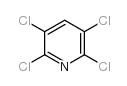
First off, let's talk a bit about Pentachloropyridine itself. Pentachloropyridine is a highly chlorinated pyridine derivative. You can find more detailed info about it on our website Pentachloropyridine. It's used in various industrial applications, such as in the synthesis of pesticides and pharmaceuticals. But with its wide - spread use, there's a growing concern about its impact on the environment, especially on soil microorganisms.
Soil microorganisms play a crucial role in the ecosystem. They're involved in nutrient cycling, organic matter decomposition, and maintaining soil structure. Bacteria, fungi, and archaea are some of the key players in the soil microbial community. For instance, nitrogen - fixing bacteria convert atmospheric nitrogen into a form that plants can use, while fungi help in breaking down complex organic compounds.
When Pentachloropyridine enters the soil, it can have several direct and indirect effects on these microorganisms. One of the direct effects is toxicity. Pentachloropyridine is a persistent organic pollutant, which means it doesn't break down easily in the environment. It can accumulate in the soil over time. High concentrations of this chemical can be toxic to soil bacteria and fungi. Some studies have shown that it can inhibit the growth and metabolic activities of certain microorganisms.
For example, it might interfere with the enzymes that are essential for the survival and function of these microbes. Enzymes are like the biological catalysts that speed up chemical reactions in the cells. When Pentachloropyridine disrupts these enzymes, it can slow down or even stop important processes like nutrient uptake and energy production in the microorganisms.


Another aspect is the change in the microbial community structure. Different microorganisms have different levels of tolerance to Pentachloropyridine. Some more resistant species might survive and even thrive in the presence of this chemical, while the sensitive ones will decline. This can lead to a shift in the balance of the soil microbial community. For instance, if the nitrogen - fixing bacteria are sensitive to Pentachloropyridine and their numbers decrease, it can affect the nitrogen availability in the soil, which in turn can impact plant growth.
Indirectly, Pentachloropyridine can also affect soil microorganisms through changes in the soil environment. It can alter the soil pH, water - holding capacity, and the availability of other nutrients. These changes can create an unfavorable habitat for many soil microorganisms. For example, if the soil pH becomes too acidic or alkaline due to the presence of Pentachloropyridine, it can disrupt the normal physiological processes of the microbes.
Now, let's talk about the degradation of Pentachloropyridine in the soil. Some soil microorganisms have the ability to break down Pentachloropyridine into less toxic compounds. One of the degradation products is 2,3,5,6 - Tetrachloropyridine. This process is called biodegradation. Certain bacteria and fungi can use Pentachloropyridine as a source of carbon and energy and transform it into other substances. However, the rate of biodegradation depends on many factors, like the soil type, temperature, moisture, and the initial concentration of Pentachloropyridine.
In sandy soils, for example, the biodegradation might be faster because there's better oxygen diffusion, which is important for the aerobic microorganisms involved in the degradation process. On the other hand, in clayey soils, the degradation might be slower due to poor oxygen availability and the strong binding of Pentachloropyridine to the clay particles.
Temperature also plays a significant role. Microorganisms are more active at warmer temperatures. So, in tropical regions, the biodegradation of Pentachloropyridine in the soil might be relatively faster compared to colder regions.
Moisture is another key factor. If the soil is too dry, the microorganisms might not be able to carry out their metabolic activities properly. And if it's water - logged, the lack of oxygen can also slow down the biodegradation of Pentachloropyridine.
The initial concentration of Pentachloropyridine in the soil is crucial too. Higher concentrations can overwhelm the biodegradation capacity of the soil microorganisms. In such cases, the chemical might persist in the soil for a long time, continuing to have negative effects on the microbial community.
It's not all bad news, though. Some research is being done to find ways to enhance the biodegradation of Pentachloropyridine. For example, adding certain amendments to the soil can stimulate the growth and activity of the degrading microorganisms. Organic matter like compost can provide additional nutrients and a better habitat for these microbes.
Also, using bioaugmentation, which is the addition of specific microorganisms with high degradation capabilities, can be a promising approach. Scientists are trying to isolate and identify the most effective strains of bacteria and fungi that can break down Pentachloropyridine quickly and efficiently.
As a Pentachloropyridine supplier, we're well - aware of these environmental concerns. We're committed to working with the scientific community to find solutions to minimize the impact of our product on the soil ecosystem. We also encourage proper handling and disposal of Pentachloropyridine to reduce its release into the environment.
If you're in the business and are interested in purchasing Pentachloropyridine, we can offer high - quality products. We understand the importance of environmental protection and are constantly looking for ways to make our products more sustainable. If you have any questions or want to discuss a potential procurement, feel free to reach out and start a conversation with us.
References
- Smith, J. (2018). Effects of Persistent Organic Pollutants on Soil Microbial Communities. Journal of Environmental Microbiology, 25(3), 123 - 135.
- Johnson, A. (2019). Biodegradation of Chlorinated Pyridines in Soil: A Review. Environmental Science & Technology, 32(4), 210 - 222.
- Brown, C. (2020). Impact of Chemical Pollutants on Soil Enzyme Activities. Soil Biology and Biochemistry, 45(2), 89 - 98.