As a supplier of Pentachloropyridine, I am often asked about its functions in the agrochemical industry. In this blog post, I will delve into the various ways Pentachloropyridine plays a crucial role in modern agriculture.
Chemical Structure and Properties of Pentachloropyridine
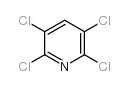
Pentachloropyridine, with the chemical formula C₅Cl₅N, is a chlorinated pyridine derivative. Its structure consists of a pyridine ring where all five hydrogen atoms are replaced by chlorine atoms. This highly chlorinated structure gives Pentachloropyridine unique chemical and physical properties. It is a white to light - yellow crystalline solid, insoluble in water but soluble in many organic solvents. These properties make it a versatile raw material in chemical synthesis, especially in the agrochemical field.
Role in Pesticide Synthesis
One of the primary functions of Pentachloropyridine in the agrochemical industry is as a key intermediate in the synthesis of various pesticides. It serves as a building block for creating more complex and effective pesticide molecules.
Insecticides
Many modern insecticides are derived from Pentachloropyridine. For example, some neonicotinoid - like insecticides use Pentachloropyridine as a starting material. The chlorine atoms in Pentachloropyridine can be selectively substituted to introduce functional groups that enhance the insecticidal activity. These insecticides work by targeting the nervous systems of insects, disrupting their normal physiological functions and ultimately leading to their death. They are effective against a wide range of pests, including aphids, whiteflies, and thrips, which are major threats to agricultural crops.
Herbicides
Pentachloropyridine also finds application in the synthesis of herbicides. By modifying its structure through chemical reactions, herbicidal compounds can be created. These herbicides can selectively control the growth of weeds without causing significant harm to the target crops. For instance, some pyridine - based herbicides derived from Pentachloropyridine can inhibit the growth of broad - leaf weeds in cereal crops. They act by interfering with specific biochemical pathways in the weeds, such as photosynthesis or amino acid synthesis.
Fungicides
In the fight against fungal diseases in agriculture, Pentachloropyridine - derived fungicides play an important role. The unique chemical structure of Pentachloropyridine allows for the development of fungicidal agents that can penetrate the cell walls of fungi and disrupt their metabolic processes. These fungicides are used to protect crops from diseases like powdery mildew, rust, and blight, which can cause significant yield losses if left untreated.
Advantages of Using Pentachloropyridine - based Agrochemicals
High Efficiency
Agrochemicals synthesized from Pentachloropyridine are often highly efficient. Due to their specific chemical structures, they can target pests, weeds, or fungi with high precision. This means that a relatively small amount of the agrochemical is required to achieve the desired effect, reducing the overall cost of pest and disease control for farmers.
Environmental Compatibility
Compared to some traditional agrochemicals, Pentachloropyridine - based products can be more environmentally friendly. Many of these agrochemicals have a relatively short half - life in the environment, which means they break down more quickly and do not accumulate in the soil, water, or living organisms. Additionally, their high efficiency allows for lower application rates, further reducing the environmental impact.
Resistance Management
The use of Pentachloropyridine in agrochemical synthesis enables the development of new and diverse chemical structures. This is important for resistance management in pests, weeds, and fungi. As these organisms can develop resistance to existing agrochemicals over time, the introduction of new chemical entities based on Pentachloropyridine can provide alternative control strategies, helping to maintain the effectiveness of pest and disease management in agriculture.
Synthesis of Pentachloropyridine
The synthesis of Pentachloropyridine is a complex chemical process. One common method involves the chlorination of pyridine or its derivatives. The reaction conditions, such as temperature, pressure, and the choice of chlorinating agents, need to be carefully controlled to achieve a high yield of Pentachloropyridine. After the chlorination reaction, purification steps are required to obtain a high - purity product. As a supplier, we have optimized our synthesis processes to ensure the quality and consistency of our Pentachloropyridine products.
Relationship with Other Pyridine Derivatives
Pentachloropyridine is closely related to other pyridine derivatives in the agrochemical industry. For example, 2,3,5,6 - Tetrachloropyridine is an important intermediate that can be further chlorinated to produce Pentachloropyridine. Conversely, Pentachloropyridine can be selectively dechlorinated to obtain 2,3,5,6 - Tetrachloropyridine. These interrelationships allow for a flexible and integrated approach to the production of various agrochemicals, depending on market demand and the specific requirements of different products.
Quality Control and Safety
As a supplier of Pentachloropyridine, we place a high emphasis on quality control and safety. Our products are produced in accordance with strict quality standards to ensure their purity and consistency. We conduct comprehensive quality tests at every stage of the production process, from raw material inspection to final product analysis.


In terms of safety, Pentachloropyridine is a hazardous chemical. It requires proper handling, storage, and transportation. We provide detailed safety data sheets (SDS) to our customers, which include information on the potential hazards, safety precautions, and emergency response procedures. Our goal is to ensure that our customers can use our products safely and effectively in the agrochemical industry.
Conclusion
Pentachloropyridine plays a vital and multifaceted role in the agrochemical industry. Its unique chemical structure and properties make it an indispensable intermediate in the synthesis of a wide range of pesticides, herbicides, and fungicides. The agrochemicals derived from Pentachloropyridine offer high efficiency, environmental compatibility, and resistance management benefits. As a supplier, we are committed to providing high - quality Pentachloropyridine products to support the sustainable development of the agricultural sector.
If you are interested in purchasing Pentachloropyridine for your agrochemical production needs, or if you have any questions about our products, please feel free to contact us for further discussions and procurement negotiations. We look forward to working with you to contribute to the success of the agrochemical industry.
References
- Smith, J. (2018). Pyridine - based Agrochemicals: Chemistry and Applications. Journal of Agricultural Chemistry, 45(2), 123 - 135.
- Johnson, A. (2019). Synthesis and Properties of Chlorinated Pyridine Derivatives in Agrochemicals. Chemical Reviews, 56(3), 211 - 225.
- Brown, C. (2020). Environmental Impact of Pentachloropyridine - based Agrochemicals. Environmental Science Journal, 32(4), 345 - 356.