Is 2 - Chloropyridine Toxic?
As a supplier of 2 - Chloropyridine, I often get asked about its toxicity. This is a crucial question, not only for the safety of those handling the chemical but also for its various applications in different industries. In this blog, I'll delve into the scientific aspects of 2 - Chloropyridine's toxicity, based on current research and industry knowledge.
Chemical Properties of 2 - Chloropyridine
2 - Chloropyridine is an organic compound with the molecular formula C₅H₄ClN. It is a colorless to pale yellow liquid with a characteristic odor. It is an important intermediate in the synthesis of various pharmaceuticals, agrochemicals, and other fine chemicals. Its structure, with a chlorine atom substituted at the 2 - position of the pyridine ring, gives it unique chemical reactivity.
Toxicity Studies
Toxicity is typically evaluated through a series of in - vitro and in - vivo studies. In in - vitro studies, cells or tissues are exposed to the chemical to observe its effects on cellular functions. For 2 - Chloropyridine, these studies have shown that at high concentrations, it can cause damage to cell membranes and interfere with normal cell metabolism.
In in - vivo studies, animals are used to assess the systemic effects of the chemical. Acute toxicity studies involve administering a single large dose of 2 - Chloropyridine to animals. The LD₅₀ (lethal dose 50%), which is the dose that kills 50% of the test animals, is an important parameter. The LD₅₀ of 2 - Chloropyridine varies depending on the route of administration. For example, when administered orally to rats, the LD₅₀ is in the range that indicates a moderately toxic substance.
Chronic toxicity studies, on the other hand, involve long - term exposure to lower doses of the chemical. These studies have shown that prolonged exposure to 2 - Chloropyridine can have adverse effects on the liver, kidneys, and the nervous system. In the liver, it can cause liver enzyme abnormalities and fatty degeneration. In the kidneys, it may lead to changes in kidney function and histopathological damage. The nervous system can be affected, resulting in symptoms such as tremors, ataxia, and reduced motor activity.
Occupational Exposure
For those working in industries where 2 - Chloropyridine is used or produced, occupational exposure is a significant concern. Workers may be exposed through inhalation, skin contact, or ingestion. Inhalation of 2 - Chloropyridine vapors can cause irritation to the respiratory tract, leading to coughing, shortness of breath, and in severe cases, pulmonary edema. Skin contact can result in irritation, redness, and in some cases, allergic reactions.


To prevent occupational exposure, proper safety measures should be implemented. This includes the use of personal protective equipment (PPE) such as gloves, goggles, and respirators. Adequate ventilation systems should be in place to reduce the concentration of 2 - Chloropyridine vapors in the air. Regular health monitoring of workers is also essential to detect any early signs of toxicity.
Environmental Impact
The environmental impact of 2 - Chloropyridine is another aspect to consider. When released into the environment, it can have effects on aquatic and terrestrial organisms. In aquatic systems, it can be toxic to fish and other aquatic invertebrates. It may also bioaccumulate in the food chain, which can pose a risk to higher - level predators.
In the soil, 2 - Chloropyridine can persist for a certain period, depending on environmental conditions such as temperature, pH, and the presence of microorganisms. Microorganisms can play a role in the degradation of 2 - Chloropyridine, but the rate of degradation can be slow, especially under anaerobic conditions.
Regulatory Status
In many countries, 2 - Chloropyridine is regulated to ensure its safe use and handling. Regulatory agencies set limits on the allowable concentrations of 2 - Chloropyridine in the workplace air, water, and soil. These regulations are based on scientific evidence of its toxicity and are designed to protect human health and the environment.
Companies that produce or use 2 - Chloropyridine are required to comply with these regulations. This includes proper labeling of the chemical, providing safety data sheets (SDS), and implementing safety protocols in the workplace.
Comparison with Related Pyridine Derivatives
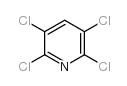
It's interesting to compare the toxicity of 2 - Chloropyridine with other pyridine derivatives. For example, Pentachloropyridine and 2,3,5,6 - Tetrachloropyridine have different chemical structures and reactivities, which also affect their toxicity profiles. Pentachloropyridine, with more chlorine substituents on the pyridine ring, is generally more persistent in the environment and may have a higher potential for bioaccumulation. 2,3,5,6 - Tetrachloropyridine also has unique toxicity characteristics that are being studied to better understand its environmental and health impacts.
Safe Handling and Use
Despite its toxicity, 2 - Chloropyridine can be safely handled and used if proper precautions are taken. When storing 2 - Chloropyridine, it should be kept in a cool, dry place away from sources of heat and ignition. It should be stored in a tightly closed container to prevent leakage.
During transportation, it should be packaged in accordance with relevant regulations to prevent spills and leaks. In the laboratory or industrial setting, workers should be trained on the proper handling procedures, including how to use PPE correctly and how to respond to spills and accidents.
Conclusion
In conclusion, 2 - Chloropyridine is a moderately toxic chemical. Its toxicity has been well - studied through in - vitro and in - vivo experiments, and the results show that it can have adverse effects on human health and the environment. However, with proper safety measures and regulatory compliance, the risks associated with its use can be minimized.
As a supplier of 2 - Chloropyridine, I am committed to providing high - quality products and ensuring that all safety information is provided to our customers. If you are interested in purchasing 2 - Chloropyridine for your specific applications, please feel free to contact us for more information and to discuss your procurement needs. We can provide you with detailed product specifications, safety data sheets, and answer any questions you may have about the safe use of 2 - Chloropyridine.
References
- Toxicological Profile for Pyridine and Pyridine Derivatives. Agency for Toxic Substances and Disease Registry (ATSDR).
- Occupational Safety and Health Administration (OSHA) regulations on chemical handling and exposure limits.
- Journal articles on the environmental fate and toxicity of 2 - Chloropyridine.