

As a pinacolone supplier, I often get asked about the biodegradability of pinacolone. It's a crucial question, especially in today's environmentally - conscious world. So, let's dig into this topic and see if pinacolone can break down naturally.
First off, what is pinacolone? Pinacolone is a colorless liquid with a peppermint - like odor. It's widely used in the chemical industry, mainly in the synthesis of pesticides, pharmaceuticals, and fragrances. You can find more details about pinacolone on our Pinacolone page.
Biodegradability refers to the ability of a substance to be broken down by living organisms, usually bacteria, fungi, or other microorganisms. When a compound is biodegradable, it can be transformed into simpler substances like water, carbon dioxide, and biomass over time. This process is super important as it helps reduce the environmental impact of chemicals.
Now, let's talk about pinacolone's biodegradability. The biodegradation of a chemical depends on several factors, including its chemical structure, the availability of degrading microorganisms, and environmental conditions such as temperature, pH, and the presence of oxygen.
Pinacolone has a relatively simple chemical structure compared to some complex organic compounds. It consists of a ketone functional group attached to a specific carbon - chain structure. Microorganisms in the environment have enzymes that can sometimes recognize and break down certain chemical bonds. For ketones like pinacolone, some bacteria and fungi have been found to have the ability to degrade them.
However, the biodegradation of pinacolone is not as straightforward as it might seem. In natural environments like soil and water, the rate of biodegradation can vary significantly. In aerobic conditions (where oxygen is present), some microorganisms can use pinacolone as a source of carbon and energy. They break down the carbon - carbon and carbon - oxygen bonds in the molecule through a series of enzymatic reactions.
But there are also some challenges. Pinacolone is relatively stable in the environment, and not all microorganisms can degrade it. The presence of other chemicals in the environment can also inhibit the growth and activity of the degrading microorganisms. For example, if there are high levels of heavy metals or other toxic substances in the soil or water, it can slow down or even stop the biodegradation process.
In laboratory studies, researchers have tried to measure the biodegradability of pinacolone under controlled conditions. Some studies have shown that pinacolone can be biodegraded to a certain extent. But the degree of biodegradation can range from partial to almost complete, depending on the experimental setup.
To give you a better idea, let's compare pinacolone with some other similar ketones. 3 - hexanone and 2 - heptanone are also ketones commonly used in the chemical industry. These compounds have different carbon - chain lengths and substitution patterns compared to pinacolone.
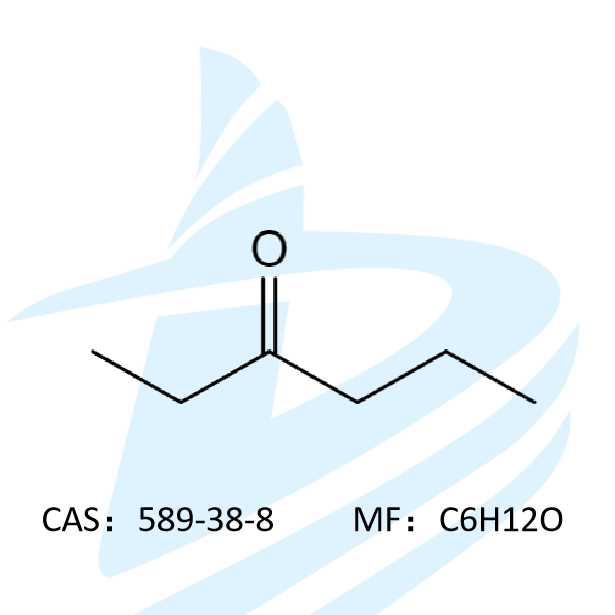

3 - hexanone has a shorter carbon chain than pinacolone. In general, shorter - chain ketones tend to be more biodegradable because they are easier for microorganisms to break down. Laboratory studies have shown that 3 - hexanone can be biodegraded relatively quickly under aerobic conditions.
On the other hand, 2 - heptanone has a longer carbon chain. Longer - chain ketones can be more resistant to biodegradation. Microorganisms may have a harder time accessing and breaking the internal carbon - carbon bonds in these molecules.
So, is pinacolone biodegradable? The answer is yes, but with some limitations. Under the right environmental conditions and in the presence of suitable microorganisms, pinacolone can be broken down. However, in real - world scenarios, the biodegradation process might be slow and incomplete.
As a pinacolone supplier, we are aware of the environmental concerns associated with our products. We are committed to providing high - quality pinacolone while also taking steps to minimize its environmental impact. We work with researchers and environmental experts to better understand the biodegradation of pinacolone and find ways to enhance the process.
If you are in the market for pinacolone, whether you're in the pesticide, pharmaceutical, or fragrance industry, we are here to help. We can provide you with detailed information about our pinacolone product, including its quality specifications and any relevant environmental data. We believe in transparency and want you to make an informed decision when purchasing pinacolone.
If you're interested in discussing a purchase or have any questions about pinacolone, feel free to reach out. We're happy to have a chat and see how we can meet your needs.
References
- Laboratory studies on the biodegradation of ketones in aerobic environments.
- Environmental research on the fate of pinacolone in soil and water systems.
- Comparison studies of the biodegradability of different ketones in the chemical industry.




