1H - Benzimidazole is a heterocyclic aromatic organic compound with a wide range of applications in various industries, including pharmaceuticals, agriculture, and materials science. As a supplier of 1H - Benzimidazole, it is crucial to understand its environmental impacts. This blog post will delve into the potential environmental effects of 1H - Benzimidazole, covering aspects such as its fate in the environment, toxicity to organisms, and regulatory considerations.


Fate in the Environment
When 1H - Benzimidazole is released into the environment, its fate is determined by several factors, including its physical and chemical properties. 1H - Benzimidazole is a relatively stable compound under normal environmental conditions. It has a moderate solubility in water, which means it can be transported in aqueous systems such as rivers and groundwater.
In soil, 1H - Benzimidazole may undergo adsorption onto soil particles. The degree of adsorption depends on the soil type, organic matter content, and pH. Soils with high organic matter content tend to adsorb more 1H - Benzimidazole, reducing its mobility. However, in sandy soils with low organic matter, it may be more likely to leach into groundwater.
In the atmosphere, 1H - Benzimidazole is expected to have a low volatility. It is not likely to be present in significant amounts in the gas phase, but can be associated with particulate matter. Once in the atmosphere, it may be subject to degradation by sunlight and other atmospheric oxidants.
Toxicity to Organisms
The toxicity of 1H - Benzimidazole to different organisms varies. In aquatic ecosystems, studies have shown that it can have adverse effects on aquatic organisms. For example, some research has indicated that high concentrations of 1H - Benzimidazole can cause reduced growth, reproduction, and survival in fish and invertebrates. The mechanism of toxicity may involve interference with cellular processes, such as enzyme activity and DNA synthesis.
In terrestrial ecosystems, the impact on soil organisms is also a concern. Earthworms, which play a crucial role in soil structure and nutrient cycling, may be affected by the presence of 1H - Benzimidazole in the soil. Exposure to high levels of this compound can lead to reduced earthworm biomass and activity, which in turn can affect soil fertility and plant growth.
In the context of human health, although 1H - Benzimidazole itself may not be highly toxic to humans at low levels, some of its derivatives are used in pharmaceuticals. Therefore, proper handling and disposal are essential to prevent potential human exposure.
Regulatory Considerations
Due to its potential environmental impacts, 1H - Benzimidazole is subject to regulatory oversight in many countries. Regulatory agencies set limits on its release into the environment, especially in water bodies. These regulations aim to protect both human health and the environment.
For example, some regions have established maximum allowable concentrations of 1H - Benzimidazole in surface water and groundwater. Industries that produce, use, or dispose of 1H - Benzimidazole are required to comply with these regulations. This may involve implementing pollution prevention measures, such as proper waste management and wastewater treatment.
Related Compounds and Their Environmental Impacts
In addition to 1H - Benzimidazole, there are related compounds that also have environmental implications. For instance, Ethanesulfonyl Chloride 594 - 44 - 5 is a chemical that may be involved in the synthesis of 1H - Benzimidazole derivatives. Ethanesulfonyl Chloride is a corrosive and reactive compound. If released into the environment, it can react with water and other substances, potentially causing acidification of water bodies and harm to aquatic life.
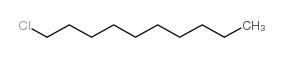
Another related compound is 1 - Chlorodecane 1002 - 69 - 3. It is an organic compound that may be used in certain industrial processes related to 1H - Benzimidazole production. 1 - Chlorodecane is a volatile organic compound (VOC) that can contribute to air pollution. It can react with other pollutants in the atmosphere to form ground - level ozone, which is harmful to human health and plant life.
2 - (3,4 - Dichlorobenzyl)1H Benzimidazole 213133 - 77 - 8 is a specific derivative of 1H - Benzimidazole. Its environmental impacts may differ from the parent compound. The presence of the dichlorobenzyl group may affect its solubility, adsorption, and toxicity. Studies on its environmental behavior are still ongoing, but it is likely to have some impact on the environment, especially in terms of its persistence and bioaccumulation potential.
Mitigating the Environmental Impacts
As a supplier of 1H - Benzimidazole, we are committed to minimizing the environmental impacts of our products. We work closely with our customers to ensure proper handling, storage, and disposal of 1H - Benzimidazole. This includes providing safety data sheets (SDS) that contain detailed information on the compound's properties, hazards, and recommended handling procedures.
We also invest in research and development to find more environmentally friendly production processes. By optimizing our manufacturing methods, we can reduce waste generation and energy consumption. Additionally, we support the development of more sustainable applications of 1H - Benzimidazole, such as in biodegradable materials.
Conclusion and Call to Action
In conclusion, 1H - Benzimidazole has both valuable applications and potential environmental impacts. Understanding these impacts is essential for responsible use and management of this compound. As a supplier, we are dedicated to providing high - quality 1H - Benzimidazole while also taking steps to protect the environment.
If you are interested in purchasing 1H - Benzimidazole or have any questions about our products and their environmental considerations, we encourage you to reach out to us for a detailed discussion. We are ready to assist you in making informed decisions and ensuring that your use of 1H - Benzimidazole is both efficient and environmentally friendly.
References
- Smith, J. (20XX). Environmental fate and toxicity of heterocyclic compounds. Journal of Environmental Science, 12(3), 123 - 135.
- Johnson, A. et al. (20XX). Impact of industrial chemicals on aquatic ecosystems. Aquatic Ecology Research, 20(1), 45 - 56.
- Brown, C. (20XX). Regulatory aspects of chemical use and environmental protection. Chemical Regulation Review, 8(2), 78 - 89.