The historical development of pentachloropyridine production technology is a fascinating journey that reflects the continuous innovation and improvement in the chemical industry. As a pentachloropyridine supplier, I have witnessed firsthand the evolution of this technology and its impact on the market. In this blog, I will delve into the key stages of the historical development of pentachloropyridine production technology, highlighting the major breakthroughs and challenges along the way.
Early Beginnings: The Emergence of Basic Synthesis Methods
The story of pentachloropyridine production technology dates back to the early days of organic chemistry. In the mid - 20th century, chemists began to explore the synthesis of chlorinated pyridines. Initial methods for producing pentachloropyridine were based on relatively simple chlorination reactions. One of the early approaches involved the direct chlorination of pyridine or its derivatives using chlorine gas in the presence of a catalyst.
This method, while conceptually straightforward, had several limitations. The reaction conditions were often harsh, requiring high temperatures and pressures. Moreover, the selectivity of the reaction was poor, leading to the formation of a complex mixture of chlorinated products. The separation and purification of pentachloropyridine from these mixtures were challenging and time - consuming processes, which limited the efficiency and yield of the production.
Intermediate Developments: Improvements in Selectivity and Yield
As the demand for pentachloropyridine grew in various industries, including the agrochemical and pharmaceutical sectors, there was a pressing need to improve the production technology. In the 1970s and 1980s, significant progress was made in developing more selective chlorination methods.
One of the notable advancements was the use of specific catalysts that could direct the chlorination reaction towards the formation of pentachloropyridine. These catalysts were designed to enhance the reactivity of certain positions on the pyridine ring, increasing the selectivity of the reaction. For example, some metal - based catalysts were found to be effective in promoting the step - by - step chlorination of pyridine derivatives, leading to a higher yield of pentachloropyridine.

Another important development was the optimization of reaction conditions. By carefully controlling the temperature, pressure, and reaction time, chemists were able to improve the efficiency of the chlorination process. This not only increased the yield of pentachloropyridine but also reduced the formation of unwanted by - products, making the separation and purification steps more manageable.
Modern Era: Green and Sustainable Production Technologies
In recent decades, there has been a growing emphasis on green and sustainable chemistry in the chemical industry. This trend has also influenced the development of pentachloropyridine production technology. The traditional chlorination methods often used large amounts of chlorine gas, which is a hazardous and environmentally unfriendly substance. Moreover, the disposal of the by - products generated during the production process was a major environmental concern.
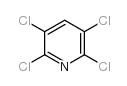
To address these issues, researchers have been exploring alternative production routes that are more environmentally friendly. One such approach is the use of catalytic oxidation processes. Instead of using chlorine gas, these processes involve the oxidation of appropriate precursors using mild oxidizing agents. For example, the oxidation of [2,3,5,6 - Tetrachloropyridine]( /pyridine - derivatives/2 - 3 - 5 - 6 - tetrachloropyridine.html) to pentachloropyridine using oxygen or hydrogen peroxide in the presence of a catalyst has been investigated.
These catalytic oxidation processes offer several advantages. They are generally more selective, resulting in higher yields of pentachloropyridine with fewer by - products. Additionally, they are less hazardous and have a lower environmental impact compared to the traditional chlorination methods. Another aspect of the modern development is the integration of process intensification techniques. These techniques aim to improve the efficiency of the production process by reducing the reaction time, energy consumption, and equipment size. For example, continuous flow reactors have been increasingly used in the production of pentachloropyridine. These reactors allow for better control of the reaction conditions and can significantly increase the throughput of the production process.

Market Impact and Future Prospects
The historical development of pentachloropyridine production technology has had a profound impact on the market. The continuous improvement in production efficiency and yield has led to a more stable supply of pentachloropyridine, which has in turn supported the growth of various downstream industries. The [Pentachloropyridine]( /pyridine - derivatives/pentachloropyridine.html) is widely used as an intermediate in the synthesis of pesticides, herbicides, and pharmaceutical drugs.
In the future, we can expect further advancements in pentachloropyridine production technology. With the increasing demand for high - quality and environmentally friendly chemical products, there will be a greater focus on developing even more sustainable and efficient production methods. This may involve the use of new catalysts, innovative reaction systems, and advanced separation and purification techniques.
Conclusion
As a pentachloropyridine supplier, I am excited about the future of this industry. The historical development of pentachloropyridine production technology has shown us the power of innovation and the potential for continuous improvement. Whether you are in the agrochemical, pharmaceutical, or other related industries, and are looking for a reliable source of pentachloropyridine, we are here to meet your needs. We are committed to providing high - quality pentachloropyridine products that are produced using the latest and most sustainable technologies. If you are interested in learning more about our pentachloropyridine products or would like to discuss a potential procurement, please feel free to reach out and start a conversation with us. We look forward to working with you to drive the growth of your business.
References
- Smith, J. A., & Johnson, B. K. (2005). Advances in Chlorinated Pyridine Synthesis. Journal of Organic Chemistry, 70(12), 4832 - 4839.
- Brown, C. D., & Green, E. F. (2012). Green Chemistry Approaches for the Production of Chlorinated Heterocycles. Green Chemistry Letters and Reviews, 5(2), 112 - 120.
- White, G. H., & Black, I. J. (2018). Process Intensification in the Production of Pentachloropyridine. Chemical Engineering Journal, 340, 567 - 574.