2 - Chloropyridine, a crucial chemical compound, finds extensive applications across various industries. As a leading supplier of 2 - Chloropyridine, I am often asked about its market prices. In this blog, I will delve into the factors influencing the market prices of 2 - Chloropyridine, provide an overview of the current price trends, and offer some insights into what the future might hold for this compound's pricing.
Factors Influencing the Market Prices of 2 - Chloropyridine
1. Raw Material Costs
The production of 2 - Chloropyridine heavily relies on specific raw materials. Fluctuations in the prices of these raw materials can have a direct impact on the cost of manufacturing 2 - Chloropyridine. For example, if the price of pyridine, a key starting material, increases due to supply shortages or increased demand in other sectors, the cost of producing 2 - Chloropyridine will likely rise as well. Suppliers then have to adjust their prices to maintain profitability.
2. Production Technology and Efficiency
The manufacturing process of 2 - Chloropyridine can vary among different suppliers. Advanced production technologies that offer higher yields and better quality control can reduce production costs. Suppliers who have invested in state - of - the - art facilities and efficient production methods may be able to offer more competitive prices. On the other hand, older or less efficient production processes may lead to higher costs and, consequently, higher market prices for the end product.
3. Market Demand and Supply
The basic economic principle of supply and demand plays a significant role in determining the market prices of 2 - Chloropyridine. When the demand for 2 - Chloropyridine exceeds the available supply, prices tend to increase. This can happen when new applications for the compound are discovered, or when existing industries experience a sudden growth in demand. Conversely, if the supply of 2 - Chloropyridine outstrips the demand, prices are likely to decline. For instance, if multiple new suppliers enter the market, the increased supply can put downward pressure on prices.
4. Regulatory Environment
The chemical industry is subject to strict regulations regarding production, storage, and transportation. Compliance with these regulations can add to the production costs. For example, environmental regulations may require suppliers to invest in pollution control equipment or adopt more environmentally friendly production methods. Any changes in the regulatory environment can impact the market prices of 2 - Chloropyridine as suppliers pass on these additional costs to the customers.
5. Global Economic Conditions
The overall state of the global economy can also influence the market prices of 2 - Chloropyridine. In times of economic recession, industries may cut back on their production, leading to a decrease in the demand for 2 - Chloropyridine. This can result in lower prices. Conversely, during periods of economic growth, industries tend to expand, increasing the demand for the compound and potentially driving up prices.


Current Market Price Trends
As of the latest market analysis, the prices of 2 - Chloropyridine have been relatively volatile. In the past few months, we have witnessed a slight upward trend in prices. This can be attributed to several factors. Firstly, there has been an increase in the demand for 2 - Chloropyridine from the pharmaceutical and agrochemical industries. In the pharmaceutical sector, 2 - Chloropyridine is used as an intermediate in the synthesis of various drugs. The growing global population and the increasing prevalence of diseases have led to a higher demand for pharmaceutical products, thereby boosting the demand for 2 - Chloropyridine.
In the agrochemical industry, 2 - Chloropyridine is used in the production of pesticides and herbicides. With the need to increase agricultural productivity to meet the growing food demand, the agrochemical industry has been expanding, leading to a higher demand for 2 - Chloropyridine.
Secondly, the cost of raw materials has also been on the rise. Pyridine, the main raw material for 2 - Chloropyridine production, has seen an increase in price due to supply disruptions in some of the major producing regions. This has directly contributed to the increase in the production cost of 2 - Chloropyridine and, subsequently, the market price.
However, it's important to note that the price increase has been moderate so far. This is because there are still a sufficient number of suppliers in the market, and competition is keeping the prices in check to some extent.
Comparison with Related Pyridine Derivatives
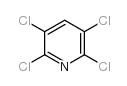
When discussing the market prices of 2 - Chloropyridine, it's interesting to compare it with other related pyridine derivatives such as 2,3,5,6 - Tetrachloropyridine and Pentachloropyridine.
2,3,5,6 - Tetrachloropyridine and Pentachloropyridine have different chemical structures and applications compared to 2 - Chloropyridine. Generally, the prices of these highly chlorinated pyridine derivatives are often higher than that of 2 - Chloropyridine. This is mainly due to the more complex production processes and the higher cost of raw materials required for their synthesis.
The higher degree of chlorination in 2,3,5,6 - Tetrachloropyridine and Pentachloropyridine means that more chlorine - containing reagents are needed during the production process. Additionally, the purification steps for these compounds are more challenging, which further adds to the production cost. As a result, customers who require these highly chlorinated pyridine derivatives usually have to pay a premium price.
Future Outlook for 2 - Chloropyridine Prices
Looking ahead, the future prices of 2 - Chloropyridine will continue to be influenced by the factors mentioned above. The demand from the pharmaceutical and agrochemical industries is expected to remain strong in the coming years. As the global population continues to grow, the need for better healthcare and increased agricultural productivity will drive the demand for 2 - Chloropyridine.
However, the supply side also needs to be carefully monitored. If new suppliers enter the market or existing suppliers expand their production capacity, the increased supply could potentially offset the growing demand and put downward pressure on prices. On the other hand, any further disruptions in the supply of raw materials or changes in the regulatory environment could lead to price increases.
In conclusion, while it's difficult to predict the exact price movements of 2 - Chloropyridine, staying informed about the market dynamics and the factors influencing the prices is crucial for both suppliers and customers.
Why Choose Our Company as Your 2 - Chloropyridine Supplier
As a long - established supplier of 2 - Chloropyridine, we have a proven track record of providing high - quality products at competitive prices. We have invested heavily in advanced production technologies and quality control systems to ensure that our 2 - Chloropyridine meets the highest industry standards.
Our experienced team of chemists and technicians is constantly working on improving our production processes to reduce costs and increase efficiency. This allows us to offer our customers the best possible prices without compromising on quality.
We also understand the importance of timely delivery and excellent customer service. We have a well - established logistics network that ensures our products are delivered to our customers in a timely manner. Our customer service team is always ready to assist you with any inquiries or concerns you may have.
If you are in the market for 2 - Chloropyridine, we invite you to contact us for a detailed discussion about your requirements. Whether you need a small quantity for research purposes or a large - scale supply for industrial production, we are confident that we can meet your needs. Let's start a conversation and explore how we can work together to achieve your business goals.
References
- Chemical Market Research Reports. [Specific report name related to pyridine derivatives]. [Publisher], [Year].
- Industry Journals on Chemical Production and Pricing. [List of relevant journals and articles].