Hey there! As a supplier of 2 - Chloropyridine, I'm super stoked to dive into the Sonogashira reaction of this awesome compound with you. The Sonogashira reaction is a powerful tool in organic synthesis, allowing us to form carbon - carbon bonds between aryl or vinyl halides and terminal alkynes. When it comes to 2 - Chloropyridine, this reaction can lead to some really interesting products.
First off, let's quickly recap what 2 - Chloropyridine is. It's a heterocyclic organic compound with a chlorine atom attached to the second position of the pyridine ring. Pyridine rings are found in many natural products and pharmaceuticals, so understanding the chemistry of 2 - Chloropyridine can open up a whole world of possibilities.
In the Sonogashira reaction, 2 - Chloropyridine acts as the electrophilic partner. The reaction typically requires a palladium catalyst, a copper co - catalyst, a base, and a terminal alkyne. The palladium catalyst helps in the oxidative addition of the carbon - chlorine bond of 2 - Chloropyridine, while the copper co - catalyst is involved in the transmetalation step. The base is used to deprotonate the terminal alkyne, making it more nucleophilic.
One of the main products we can expect from the Sonogashira reaction of 2 - Chloropyridine is a 2 - alkynylpyridine. When a terminal alkyne reacts with 2 - Chloropyridine under Sonogashira conditions, the chlorine atom on the pyridine ring is replaced by the alkynyl group. For example, if we use phenylacetylene as the terminal alkyne, we'll get 2 - phenylethynylpyridine. This product has a wide range of applications. It can be used as a building block in the synthesis of more complex organic molecules, especially those with potential biological activity.
The formation of 2 - alkynylpyridines is really cool because it introduces a triple bond into the molecule. Triple bonds are highly reactive and can be further functionalized. We can perform reduction reactions on the triple bond to form double or single bonds, or we can use it in cycloaddition reactions to create new ring systems.
Another aspect to consider is the regioselectivity of the Sonogashira reaction with 2 - Chloropyridine. Since the chlorine atom is specifically at the 2 - position of the pyridine ring, we mainly get substitution at that position. The pyridine ring has some electronic and steric effects that influence the reaction. The nitrogen atom in the pyridine ring is electron - withdrawing, which affects the reactivity of the carbon atoms around it. But under standard Sonogashira conditions, the reaction is quite selective for the 2 - position.
Now, let's talk about some potential variations and side products. Sometimes, depending on the reaction conditions and the nature of the terminal alkyne, we might see some side reactions. For example, if the reaction conditions are too harsh, we could get some decomposition products. Also, if there are other functional groups on the terminal alkyne, they might react with the reagents in the reaction mixture.
In addition to simple 2 - alkynylpyridines, we can also use more complex terminal alkynes to get more elaborate products. For instance, if we use an alkyne with a functionalized group like an ester or an alcohol, the resulting 2 - alkynylpyridine will have that functional group attached. This can be really useful for further synthetic manipulations.
As a 2 - Chloropyridine supplier, I know that the quality of the starting material matters a lot in the Sonogashira reaction. Impurities in 2 - Chloropyridine can affect the reaction yield and the purity of the final product. That's why we make sure to provide high - quality 2 - Chloropyridine to our customers.
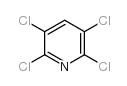
When it comes to related pyridine derivatives, we also have some great options. Check out our 2,3,5,6 - Tetrachloropyridine and Pentachloropyridine products. These compounds can also undergo various reactions and are useful in different synthetic applications.
The Sonogashira reaction of 2 - Chloropyridine is not only important in academic research but also in the pharmaceutical and chemical industries. Many pharmaceutical companies are interested in compounds derived from 2 - Chloropyridine because of their potential biological activity. For example, some 2 - alkynylpyridines have shown antibacterial or antifungal properties.
If you're in the business of organic synthesis and are looking for high - quality 2 - Chloropyridine for your Sonogashira reactions or other applications, we're here to help. We have a reliable supply chain and can provide you with the quantity you need. Whether you're a small research lab or a large - scale chemical manufacturer, we can meet your requirements.
We understand that every customer has different needs, so we're flexible with our packaging and delivery options. And if you have any questions about the Sonogashira reaction with 2 - Chloropyridine or any other technical details, our team of experts is always ready to assist you.


So, if you're interested in purchasing 2 - Chloropyridine or want to discuss your specific needs, don't hesitate to reach out. We're eager to start a conversation and help you achieve your synthetic goals.
In conclusion, the Sonogashira reaction of 2 - Chloropyridine is a fascinating area of organic chemistry that offers a lot of potential for creating new and useful compounds. As a supplier, we're committed to providing the best products and support to our customers. Let's work together to explore the amazing world of 2 - Chloropyridine and its reactions!
References
- Sonogashira, K. (2002). Palladium - catalyzed alkynylation. In Metal - catalyzed cross - coupling reactions (pp. 203 - 229). Wiley - VCH Verlag GmbH & Co. KGaA.
- Hassan, J., Sévignon, M., Gozzi, C., Schulz, E., & Lemaire, M. (2002). Aryl - aryl bond formation one century after the discovery of the Ullmann reaction. Chemical Reviews, 102(10), 1359 - 1469.