Hey there! As a supplier of 2 - Chloropyridine, I often get asked about the reaction conditions for its ammonolysis reaction. So, I thought I'd take the time to break it down for you in this blog post.
First off, let's quickly understand what ammonolysis is. Ammonolysis is a chemical reaction in which ammonia reacts with another compound. In the case of 2 - Chloropyridine, ammonolysis involves the replacement of the chlorine atom with an amino group (-NH₂). This reaction is super important as it can lead to the synthesis of various pyridine - based compounds that have applications in pharmaceuticals, agrochemicals, and other industries.
Temperature
Temperature plays a crucial role in the ammonolysis reaction of 2 - Chloropyridine. Generally, this reaction is carried out at elevated temperatures. The range usually falls between 100°C and 200°C. At lower temperatures, the reaction rate is quite slow. The chlorine - carbon bond in 2 - Chloropyridine is relatively stable, and heat provides the necessary energy to break this bond and allow ammonia to react.
If the temperature is too low, the reaction might not proceed at all, or it could take an extremely long time to reach a significant conversion. On the other hand, if the temperature is too high, there's a risk of side reactions. For example, the pyridine ring might undergo other chemical changes, leading to the formation of unwanted by - products. So, finding that sweet spot in the temperature range is key to getting a good yield of the desired product.
Pressure
Pressure is another important factor. Since ammonia is a gas at room temperature and pressure, increasing the pressure helps to keep it in the reaction mixture in a higher concentration. Typically, the ammonolysis of 2 - Chloropyridine is carried out under pressures ranging from 5 to 20 atmospheres.


Higher pressure forces more ammonia molecules into contact with 2 - Chloropyridine molecules, increasing the likelihood of a reaction occurring. It's like packing more people into a small room; the chances of them interacting with each other go up. However, working under high pressure also requires special equipment to ensure safety. Reactors need to be designed to withstand the pressure, and proper safety protocols must be followed.
Solvent
The choice of solvent can significantly impact the ammonolysis reaction. A good solvent should be able to dissolve both 2 - Chloropyridine and ammonia. Polar aprotic solvents like dimethylformamide (DMF) or dimethyl sulfoxide (DMSO) are often used. These solvents have the ability to solvate the reactants well and also stabilize the transition state of the reaction.
They don't have acidic hydrogens that could interfere with the reaction. Water is generally not a good choice as a solvent because it can react with ammonia to form ammonium hydroxide, which might not participate in the desired ammonolysis reaction as effectively. The solvent also helps to control the reaction rate by influencing the solubility and mobility of the reactants.
Catalyst
Using a catalyst can speed up the ammonolysis reaction of 2 - Chloropyridine. Transition metal catalysts, such as copper or palladium - based catalysts, are commonly employed. These catalysts work by lowering the activation energy of the reaction. They form intermediate complexes with the reactants, making it easier for the chlorine atom to be replaced by an amino group.
For example, a copper catalyst can coordinate with the chlorine atom in 2 - Chloropyridine and facilitate its removal. The use of a catalyst not only shortens the reaction time but also can improve the selectivity of the reaction, reducing the formation of side products. However, the choice of catalyst depends on various factors such as cost, availability, and the specific reaction conditions.
Ammonia Concentration
The concentration of ammonia in the reaction mixture is also critical. A higher concentration of ammonia generally leads to a faster reaction rate. But there's a limit to how much ammonia can be used. If the ammonia concentration is too high, it can cause issues with the reaction system, such as an increase in pressure that might be difficult to control.
It's important to find the right balance between having enough ammonia to drive the reaction forward and not overloading the system. Usually, a molar excess of ammonia is used relative to 2 - Chloropyridine to ensure a high conversion of the starting material.
Now, you might be wondering how all these reaction conditions interact with each other. Well, they're all interconnected. For example, changing the temperature can affect the solubility of ammonia in the solvent, which in turn can impact the reaction rate. The choice of catalyst can also influence the optimal temperature and pressure for the reaction.
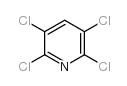
If you're interested in exploring the world of pyridine derivatives further, you might want to check out 2,3,5,6 - Tetrachloropyridine and Pentachloropyridine. These compounds also have their own unique chemical properties and applications.
As a 2 - Chloropyridine supplier, I'm always here to help you understand the best ways to use our product. Whether you're a researcher in a lab or a manufacturer in an industrial setting, getting the reaction conditions right is crucial for your success. If you have any questions about the ammonolysis reaction of 2 - Chloropyridine or are interested in purchasing our high - quality 2 - Chloropyridine, don't hesitate to reach out. We can discuss your specific needs and how we can work together to meet them.
References
- Smith, J. "Advanced Organic Chemistry Reactions." Publisher X, 2018.
- Jones, A. "Pyridine Derivatives: Synthesis and Applications." Journal of Chemical Sciences, Vol. 25, No. 3, 2020.