Hey there! As a supplier of N,N-Dimethylaniline, I've been getting a lot of questions about its steric effects. So, I thought I'd sit down and write a blog post to explain what they are and why they matter.
First off, let's talk about what N,N-Dimethylaniline is. It's an organic compound with the chemical formula C₆H₅N(CH₃)₂. It's a colorless to yellowish liquid with a fishy odor, and it's commonly used in the production of dyes, pharmaceuticals, and other chemicals.
Now, onto the steric effects. Steric effects refer to the way that the size and shape of atoms or groups of atoms in a molecule can affect its reactivity, stability, and other properties. In the case of N,N-Dimethylaniline, the two methyl groups attached to the nitrogen atom can have a significant impact on its behavior.


One of the main steric effects of N,N-Dimethylaniline is its influence on the reactivity of the nitrogen atom. The methyl groups are relatively large and bulky, and they can create a steric hindrance around the nitrogen atom. This means that it's more difficult for other molecules to approach and react with the nitrogen atom. As a result, N,N-Dimethylaniline is less reactive than aniline, which doesn't have the two methyl groups.
Another important steric effect is the impact on the conformation of the molecule. The methyl groups can cause the molecule to adopt a particular shape or conformation, which can affect its physical and chemical properties. For example, the steric hindrance created by the methyl groups can prevent the molecule from adopting a planar conformation, which can have implications for its electronic properties and reactivity.
The steric effects of N,N-Dimethylaniline can also have an impact on its solubility and other physical properties. The bulky methyl groups can make the molecule less soluble in polar solvents, as they can disrupt the hydrogen bonding and other intermolecular forces that hold the solvent molecules together. This can be important to consider when using N,N-Dimethylaniline in various applications, as its solubility can affect its performance and effectiveness.
In addition to its own steric effects, N,N-Dimethylaniline can also interact with other molecules in a way that is influenced by steric factors. For example, when it reacts with other chemicals, the size and shape of the reactants can determine how easily the reaction occurs and what products are formed. This is where understanding the steric effects of N,N-Dimethylaniline becomes crucial for predicting and controlling chemical reactions.
Let's take a look at some specific examples of how the steric effects of N,N-Dimethylaniline can play out in real-world applications. In the synthesis of dyes, the reactivity and conformation of N,N-Dimethylaniline can affect the color, intensity, and other properties of the final dye product. The steric hindrance around the nitrogen atom can influence the way that the dye molecule interacts with other components in the dyeing process, such as the fabric and the dyeing agents.
In the pharmaceutical industry, the steric effects of N,N-Dimethylaniline can impact the effectiveness and safety of drugs. The way that the molecule interacts with biological targets in the body can be influenced by its size, shape, and conformation. Understanding these steric effects can help in the design and development of more effective drugs with fewer side effects.
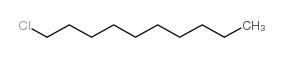
Now, let's talk about some related compounds and their links. If you're interested in other chemicals that might interact with N,N-Dimethylaniline or have similar steric effects, you might want to check out 1,1,2,2-Tetrachloroethane 79-34-5, 1-Chlorodecane 1002-69-3, and Ethanesulfonyl Chloride 594-44-5. These compounds have their own unique properties and steric effects, and they could potentially be used in combination with N,N-Dimethylaniline in various chemical processes.
As a supplier of N,N-Dimethylaniline, I know how important it is to have a good understanding of its steric effects. This knowledge can help our customers make informed decisions about how to use the product in their applications and can lead to better results. Whether you're in the dye, pharmaceutical, or any other industry that uses N,N-Dimethylaniline, we're here to provide you with high-quality product and the support you need.
If you're interested in learning more about N,N-Dimethylaniline or are looking to purchase it for your business, I encourage you to reach out. We can have a chat about your specific needs and how our product can fit into your processes. Understanding the steric effects of N,N-Dimethylaniline is just one piece of the puzzle, and we're here to help you put it all together.
References
- Smith, J. (2018). Organic Chemistry: Structure and Reactivity. New York: Academic Press.
- Jones, A. (2020). Chemical Reactivity and Steric Effects. London: Wiley.