What is the reactivity of 2 - Chloropyridine with acylating agents?
As a supplier of 2 - Chloropyridine, I have had the opportunity to delve deep into the chemical properties and reactivity of this compound, especially when it comes to its interaction with acylating agents. In this blog, I aim to provide a comprehensive understanding of the reactivity of 2 - Chloropyridine with acylating agents, exploring the underlying mechanisms, factors influencing the reaction, and potential applications.
Understanding 2 - Chloropyridine
2 - Chloropyridine is a heterocyclic organic compound with a chlorine atom attached to the second position of the pyridine ring. The presence of the chlorine atom significantly affects the electronic properties of the pyridine ring, making it a unique substrate for various chemical reactions. The pyridine ring itself is an aromatic heterocycle with a nitrogen atom, which imparts basic and nucleophilic properties to the molecule. The chlorine atom, on the other hand, can act as a leaving group under certain conditions, allowing for substitution reactions.
Reactivity with Acylating Agents
Acylating agents are compounds that can introduce an acyl group (R - CO -) into another molecule. Common acylating agents include acyl chlorides (RCOCl), anhydrides ((RCO)₂O), and esters (RCOOR'). When 2 - Chloropyridine reacts with acylating agents, several factors come into play that determine the reaction outcome.
Mechanistic Insights
The reaction between 2 - Chloropyridine and acylating agents typically proceeds through a nucleophilic substitution mechanism. The nitrogen atom in the pyridine ring is nucleophilic due to its lone pair of electrons. It can attack the electrophilic carbonyl carbon of the acylating agent, forming a tetrahedral intermediate. This intermediate then collapses, expelling a leaving group (such as chloride ion from an acyl chloride or an alkoxide ion from an ester) to re - establish the carbonyl double bond and form the acylated product.
For example, when 2 - Chloropyridine reacts with an acyl chloride (RCOCl), the nitrogen atom of 2 - Chloropyridine attacks the carbonyl carbon of the acyl chloride. The chlorine atom of the acyl chloride is then expelled as a chloride ion, resulting in the formation of an N - acylated 2 - Chloropyridine derivative.


Factors Affecting Reactivity
- Nature of the Acylating Agent: The reactivity of the acylating agent plays a crucial role. Acyl chlorides are generally the most reactive acylating agents due to the good leaving group ability of the chloride ion. Anhydrides are also quite reactive, while esters are less reactive and often require the presence of a catalyst (such as an acid or a base) to undergo acylation reactions.
- Substituents on the Pyridine Ring: The presence of other substituents on the pyridine ring can either enhance or hinder the reaction. Electron - donating substituents can increase the electron density on the nitrogen atom, making it more nucleophilic and thus increasing the reactivity. Conversely, electron - withdrawing substituents can decrease the nucleophilicity of the nitrogen atom and slow down the reaction.
- Reaction Conditions: The reaction conditions, such as temperature, solvent, and the presence of a catalyst, also have a significant impact. Higher temperatures generally increase the reaction rate, but they may also lead to side reactions. Polar aprotic solvents are often preferred as they can solvate the reactants and stabilize the transition state. Catalysts can lower the activation energy of the reaction, allowing it to proceed more readily.
Applications of the Reaction
The reaction of 2 - Chloropyridine with acylating agents has several important applications in organic synthesis.
Synthesis of Pharmaceuticals
Many pharmaceutical compounds contain acylated pyridine moieties. The reaction of 2 - Chloropyridine with acylating agents can be used as a key step in the synthesis of these drugs. For example, it can be used to introduce an acyl group into the pyridine ring, which can then be further modified to create a wide range of bioactive molecules.
Agrochemicals
In the field of agrochemicals, acylated 2 - Chloropyridine derivatives can exhibit pesticidal or herbicidal properties. The ability to selectively acylate 2 - Chloropyridine allows for the synthesis of novel agrochemical compounds with improved efficacy and selectivity.
Related Pyridine Derivatives
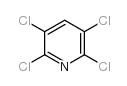
In addition to 2 - Chloropyridine, other pyridine derivatives also have interesting reactivities with acylating agents. For example, Pentachloropyridine and 2,3,5,6 - Tetrachloropyridine have different electronic properties due to the presence of multiple chlorine atoms. These compounds may react differently with acylating agents compared to 2 - Chloropyridine, and their reactivity can be explored for the synthesis of specialized organic compounds.
Conclusion
In conclusion, the reactivity of 2 - Chloropyridine with acylating agents is a fascinating area of study. Through a nucleophilic substitution mechanism, 2 - Chloropyridine can react with various acylating agents to form acylated derivatives. The reaction is influenced by factors such as the nature of the acylating agent, substituents on the pyridine ring, and reaction conditions. These reactions have important applications in the synthesis of pharmaceuticals and agrochemicals.
As a supplier of 2 - Chloropyridine, we understand the importance of providing high - quality products for these types of chemical reactions. Our 2 - Chloropyridine is produced with strict quality control measures to ensure its purity and reactivity. If you are interested in purchasing 2 - Chloropyridine for your research or industrial applications, we invite you to contact us for further discussions and potential business collaborations. We are committed to meeting your needs and providing excellent customer service.
References
- March, J. "Advanced Organic Chemistry: Reactions, Mechanisms, and Structure." Wiley, 2007.
- Carey, F. A., & Sundberg, R. J. "Advanced Organic Chemistry Part A: Structure and Mechanisms." Springer, 2007.