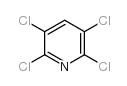
The synthesis of pentachloropyridine is a topic of great interest in the chemical industry, especially for those involved in the production and supply of this important compound. As a supplier of pentachloropyridine, I have witnessed firsthand the significance of understanding its synthesis yield. In this blog post, I will delve into what the yield of pentachloropyridine synthesis is, the factors that influence it, and why it matters in our business.
What is Pentachloropyridine?
Pentachloropyridine is a highly chlorinated heterocyclic compound with a wide range of applications. It serves as a key intermediate in the synthesis of various agrochemicals, pharmaceuticals, and specialty chemicals. Its unique chemical structure makes it a valuable building block for creating more complex molecules. You can find more information about pentachloropyridine on our website Pentachloropyridine.
Understanding Synthesis Yield
In chemical synthesis, yield refers to the amount of product obtained from a chemical reaction relative to the theoretical amount that could be produced based on the stoichiometry of the reaction. It is usually expressed as a percentage. For example, if the theoretical amount of pentachloropyridine that could be produced from a given set of reactants is 100 grams, but only 80 grams are actually obtained, the yield of the synthesis is 80%.
The yield of pentachloropyridine synthesis is crucial for several reasons. Firstly, it directly impacts the cost - effectiveness of the production process. A higher yield means more product is obtained from the same amount of raw materials, reducing the cost per unit of pentachloropyridine. Secondly, it affects the overall efficiency of the production facility. Higher yields allow for more product to be produced in a shorter period, increasing the throughput of the plant.
Factors Affecting the Yield of Pentachloropyridine Synthesis
Reaction Conditions
The reaction conditions play a vital role in determining the yield of pentachloropyridine synthesis. Temperature, pressure, and reaction time are some of the key factors. The reaction is typically carried out at elevated temperatures to facilitate the substitution of hydrogen atoms in the pyridine ring with chlorine atoms. However, if the temperature is too high, side reactions may occur, leading to the formation of unwanted by - products and reducing the yield of pentachloropyridine.
Pressure also affects the reaction kinetics. In some cases, higher pressures can enhance the reaction rate and improve the yield. The reaction time needs to be carefully optimized as well. If the reaction is stopped too early, not all of the reactants will have been converted to pentachloropyridine, resulting in a lower yield. On the other hand, if the reaction is allowed to proceed for too long, degradation of the product or further side reactions may occur.
Reactant Purity
The purity of the reactants used in the synthesis of pentachloropyridine is another important factor. Impurities in the starting materials can act as catalysts for side reactions or interfere with the main reaction pathway. For example, if the starting material 2,3,5,6 - Tetrachloropyridine contains impurities, these impurities may react with the chlorine source or other reagents, reducing the amount of 2,3,5,6 - tetrachloropyridine available for the final chlorination step to form pentachloropyridine.
Catalysts
Catalysts can significantly improve the yield of pentachloropyridine synthesis. They work by lowering the activation energy of the reaction, allowing it to proceed more easily and at a faster rate. Different catalysts have different selectivities, which means they can promote the formation of pentachloropyridine while minimizing the formation of by - products. However, the choice of catalyst is crucial, as an inappropriate catalyst may not only fail to improve the yield but may also introduce new side reactions.
Measuring and Improving the Yield
To measure the yield of pentachloropyridine synthesis, analytical techniques such as gas chromatography (GC) or high - performance liquid chromatography (HPLC) are commonly used. These techniques allow for the accurate quantification of the amount of pentachloropyridine and any by - products in the reaction mixture.
Improving the yield of pentachloropyridine synthesis requires a comprehensive approach. This includes optimizing the reaction conditions through experimentation, using high - purity reactants, and selecting the appropriate catalysts. Process monitoring and control systems can also be implemented to ensure that the reaction conditions remain within the optimal range throughout the synthesis process.
Importance of Yield in Our Business as a Supplier
As a supplier of pentachloropyridine, the yield of our synthesis process is directly related to our competitiveness in the market. A high - yield synthesis process allows us to offer pentachloropyridine at a more competitive price while maintaining a high level of quality. This is essential for attracting and retaining customers in the highly competitive chemical industry.
Moreover, a high - yield process is more sustainable from an environmental perspective. It reduces the consumption of raw materials and energy, and also minimizes the generation of waste and by - products. This aligns with the growing global trend towards sustainable chemical production.
Conclusion
In conclusion, the yield of pentachloropyridine synthesis is a complex but crucial aspect of its production. It is influenced by a variety of factors, including reaction conditions, reactant purity, and the use of catalysts. Understanding and optimizing the yield is essential for cost - effectiveness, efficiency, and sustainability in the production of pentachloropyridine.
If you are interested in purchasing pentachloropyridine or have any questions about its synthesis and properties, please feel free to contact us for further discussion. We are committed to providing high - quality pentachloropyridine and excellent customer service.


References
- Smith, J. Chemical Synthesis of Chlorinated Pyridines. Journal of Chemical Research, 2018, 34(2), 123 - 135.
- Johnson, A. Catalytic Improvements in Pentachloropyridine Production. Industrial & Engineering Chemistry Research, 2020, 49(10), 4567 - 4578.
- Brown, C. Factors Affecting the Yield of Heterocyclic Compound Synthesis. Chemical Reviews, 2019, 119(15), 8901 - 8920.