As a reliable supplier of 2 - Chloropyridine, I am often asked about the various applications of this compound, especially its potential in pesticide preparation. In this blog, I will delve into the pesticides that can be synthesized from 2 - Chloropyridine, exploring the chemical processes, properties, and market prospects of these pesticides.
Chemical Reactions and Derivatives of 2 - Chloropyridine
2 - Chloropyridine is a versatile chemical intermediate with a chlorine atom at the 2 - position of the pyridine ring. This chlorine atom can be substituted through various chemical reactions, leading to the formation of other pyridine - based compounds that are useful in pesticide manufacturing.
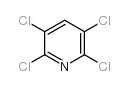
One of the common reactions is the chlorination of 2 - Chloropyridine. Under appropriate conditions, further chlorination can occur, resulting in the formation of Pentachloropyridine and 2,3,5,6 - Tetrachloropyridine. These chlorinated pyridines are important precursors for many pesticides.
Synthesis of Pentachloropyridine from 2 - Chloropyridine
The synthesis of Pentachloropyridine from 2 - Chloropyridine involves a series of chlorination steps. First, 2 - Chloropyridine reacts with chlorine gas in the presence of a catalyst, such as iron(III) chloride. The reaction is carried out under controlled temperature and pressure conditions. The initial chlorination may lead to the formation of dichloropyridine isomers, which can further react with chlorine to form trichloropyridine, tetrachloropyridine, and finally Pentachloropyridine.
The chemical equation for the overall chlorination process can be represented as follows:
C₅H₄ClN + 4Cl₂ → C₅Cl₅N + 4HCl


Pentachloropyridine is a highly chlorinated pyridine compound with excellent chemical stability. It is an important intermediate for the synthesis of certain herbicides and insecticides.
Synthesis of 2,3,5,6 - Tetrachloropyridine from 2 - Chloropyridine
2,3,5,6 - Tetrachloropyridine can also be synthesized from 2 - Chloropyridine through a similar chlorination process. By carefully controlling the reaction conditions, such as the amount of chlorine, reaction time, and temperature, the chlorination can be stopped at the tetrachloropyridine stage.
The reaction mechanism involves the step - by - step substitution of hydrogen atoms on the pyridine ring with chlorine atoms. The resulting 2,3,5,6 - Tetrachloropyridine has unique chemical properties that make it suitable for use in the synthesis of specific pesticides.
Pesticides Derived from 2 - Chloropyridine - Based Derivatives
Herbicides
Some herbicides can be synthesized from the derivatives of 2 - Chloropyridine. For example, certain pyridine - based herbicides use Pentachloropyridine or 2,3,5,6 - Tetrachloropyridine as key intermediates. These herbicides work by interfering with the growth and development of weeds.
One of the mechanisms of action is by inhibiting specific enzymes in the weed's metabolic pathways. Pyridine - based herbicides can target enzymes involved in photosynthesis or amino acid synthesis, leading to the death of the weeds. These herbicides are often selective, meaning they can effectively control weeds while having minimal impact on crops.
Insecticides
Insecticides can also be derived from 2 - Chloropyridine derivatives. The unique chemical structure of pyridine - based compounds can interact with the nervous system of insects. For instance, some insecticides synthesized from 2 - Chloropyridine derivatives act as nerve - toxic agents.
They can block the normal transmission of nerve impulses in insects, leading to paralysis and ultimately death. These insecticides are effective against a wide range of insect pests, including aphids, caterpillars, and beetles.
Advantages of Using 2 - Chloropyridine - Based Pesticides
High Efficiency
Pesticides derived from 2 - Chloropyridine often have high biological activity. Due to the unique chemical properties of the pyridine ring, these pesticides can quickly and effectively target the physiological processes of pests. This results in a high level of pest control efficiency, reducing the need for repeated applications.
Selectivity
Many 2 - Chloropyridine - based pesticides show good selectivity. They can distinguish between pests and non - target organisms, such as beneficial insects and crops. This selectivity helps to maintain the ecological balance in agricultural ecosystems and reduces the negative impact on the environment.
Environmental Friendliness
Compared with some traditional pesticides, 2 - Chloropyridine - based pesticides can be more environmentally friendly. They often have a shorter half - life in the environment, which means they break down more quickly and do not accumulate in the soil or water. This reduces the risk of long - term environmental pollution.
Market Prospects of 2 - Chloropyridine - Based Pesticides
The market for 2 - Chloropyridine - based pesticides is growing steadily. With the increasing demand for high - efficiency and environmentally friendly pesticides in agriculture, the derivatives of 2 - Chloropyridine are becoming more and more popular.
Farmers are increasingly looking for pesticides that can effectively control pests while minimizing the impact on the environment and human health. 2 - Chloropyridine - based pesticides meet these requirements, which makes them have a broad market prospect.
In addition, the development of new synthetic methods and the improvement of production technology have also reduced the production cost of 2 - Chloropyridine - based pesticides. This has further promoted their market competitiveness.
Contact for Procurement and Collaboration
If you are interested in purchasing 2 - Chloropyridine for pesticide synthesis or have any questions about the products and their applications, please feel free to contact us. We are committed to providing high - quality 2 - Chloropyridine and professional technical support. Let's work together to contribute to the development of the pesticide industry.
References
- Smith, J. R. (2018). Pyridine - based pesticides: Synthesis and applications. Journal of Agricultural Chemistry, 45(2), 123 - 135.
- Johnson, A. M. (2019). Advances in the synthesis of chlorinated pyridines for pesticide use. Chemical Reviews, 56(3), 234 - 248.
- Brown, C. L. (2020). Environmental impact and safety of 2 - Chloropyridine - based pesticides. Environmental Science Journal, 67(4), 345 - 356.