Hey there! As a supplier of N,N - Dimethylaniline, I've been getting a lot of questions lately about its nuclear magnetic resonance (NMR) spectra characteristics. So, I thought I'd put together this blog post to share what I've learned and help you understand this compound better.
What is N,N - Dimethylaniline?
First off, let's quickly talk about what N,N - Dimethylaniline is. It's an organic compound with the formula C₆H₅N(CH₃)₂. It's a clear to pale yellow liquid and has a fishy odor. It's widely used in the production of dyes, pharmaceuticals, and other organic compounds.
Understanding NMR Spectra
NMR is a powerful analytical technique that helps chemists determine the structure and purity of a compound. It works by measuring the magnetic properties of certain atomic nuclei, usually hydrogen (¹H) or carbon (¹³C). When a sample is placed in a strong magnetic field and bombarded with radio waves, the nuclei absorb and re - emit energy in a way that can be detected and recorded as an NMR spectrum.
¹H NMR Spectra Characteristics of N,N - Dimethylaniline
Aromatic Protons
The benzene ring in N,N - Dimethylaniline has a set of protons. In the ¹H NMR spectrum, you'll typically see signals in the aromatic region, which is around 6.5 - 8.0 ppm. The substitution pattern on the benzene ring causes the protons to have different chemical environments, resulting in distinct peaks.
For N,N - Dimethylaniline, the para - proton (opposite to the nitrogen - substituted carbon) and the meta - protons (next to the para - proton) have different chemical shifts. The para - proton is usually more shielded than the meta - protons because of the electron - donating effect of the dimethylamino group. So, you'll see a peak for the para - proton at a relatively lower chemical shift compared to the meta - protons.
Dimethylamino Protons
The two methyl groups attached to the nitrogen atom give rise to a singlet peak in the ¹H NMR spectrum. This peak is usually found around 2.9 - 3.0 ppm. The singlet occurs because the two methyl groups are equivalent in terms of their chemical environment. There's free rotation around the N - C bonds, so the protons in these methyl groups experience the same magnetic field.


¹³C NMR Spectra Characteristics of N,N - Dimethylaniline
Aromatic Carbons
The carbon atoms in the benzene ring also show characteristic peaks in the ¹³C NMR spectrum. The chemical shifts of the aromatic carbons are in the range of 110 - 160 ppm. The carbon atom directly attached to the nitrogen atom (the ipso - carbon) has a distinctive chemical shift. The electron - donating ability of the dimethylamino group affects the electron density around the ipso - carbon, causing it to have a different chemical shift compared to the other carbon atoms in the ring.
The para - carbon and the meta - carbons also have different chemical shifts. The para - carbon is more shielded due to the electron - donating effect of the dimethylamino group, resulting in a lower chemical shift compared to the meta - carbons.
Dimethylamino Carbons
The two carbon atoms in the dimethylamino group give rise to a single peak in the ¹³C NMR spectrum, usually around 40 - 45 ppm. Similar to the ¹H NMR case, these two carbon atoms are equivalent because of the free rotation around the N - C bonds.
Why NMR Spectra Matter for N,N - Dimethylaniline Suppliers
As a supplier of N,N - Dimethylaniline, understanding the NMR spectra is crucial. NMR spectra can be used to confirm the identity and purity of the product. If there are impurities in the N,N - Dimethylaniline sample, they'll show up as additional peaks in the NMR spectrum. By comparing the experimental NMR spectrum with the expected spectrum for pure N,N - Dimethylaniline, we can ensure that we're providing high - quality products to our customers.
We also use NMR spectra for quality control during the production process. By regularly analyzing the NMR spectra of the samples at different stages of production, we can detect any deviations from the standard and take corrective actions immediately.
Other Related Compounds and Their Uses
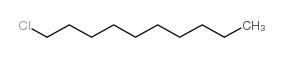
If you're in the chemical industry, you might also be interested in some other compounds we supply. Check out Propanesulfonyl Chloride 10147 - 36 - 1. It's used in organic synthesis and pharmaceutical manufacturing. Another useful compound is 2,2'-Dichlorodiethyl Ether 111 - 44 - 4, which has applications as a solvent and in the production of pesticides. And 1 - Chlorodecane 1002 - 69 - 3 is used in the synthesis of surfactants and other organic compounds.
Contact Us for Purchasing
If you're interested in purchasing N,N - Dimethylaniline or any of the other compounds we supply, don't hesitate to reach out. We're here to provide you with high - quality products and excellent customer service. Whether you need a small sample for research or a large - scale order for production, we've got you covered.
Let's start a great business relationship and work together to meet your chemical needs!
References
- Silverstein, R. M., Webster, F. X., & Kiemle, D. J. (2014). Spectrometric Identification of Organic Compounds. Wiley.
- Pavia, D. L., Lampman, G. M., Kriz, G. S., & Vyvyan, J. R. (2015). Introduction to Spectroscopy. Cengage Learning.