


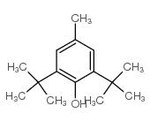


Antioxidant BHT
Why Choose Us?
Rich Experience
HANGZHOU BETTER CHEMTECH LTD is a comprehensive chemical company specializing in Chemical Production, Management, Application Development and Brand Promotion. BETTER CHEMTECH currently has two independent sub-brands: Chemintel and Eubiotics.
Professional Team
Our company has a team of highly experienced professionals in both China and India. Under the environmental protection problems faced by the industry, we strive to ensure a stable supply of products, and provide customers with the best supply chain solutions.
Quality Control
As a reliable supplier with many years of professional experiences in the chemical industry, product quality is our primary consideration. We will provide sample testing and confirm the specifications to ensure your satisfactory of the finally shipment goods.
Application of the Product
Our products have application in the fields of pharmaceuticals & fine chemicals, pesticides, dyes, flavors and fragrances, feed additives, green fibers & others.
Butylated hydroxytoluene (BHT), also known as dibutylhydroxytoluene, is a lipophilic organic compound, chemically a derivative of phenol, that is useful for its antioxidant properties.BHT is widely used to prevent free radical-mediated oxidation in fluids (e.g. fuels, oils) and other materials, and the regulations overseen by the U.S. F.D.A.-which considers BHT to be "generally recognized as safe"-allow small amounts to be added to foods.


BHT high stability, strong antioxidant capacity, in the application of food and BHA is basically the same, but its antioxidant capacity as BHA. BHT heat and oxidation effect is not affected, unlike PG as an iron reaction occurs orange.
How is BHT Used in Industrial Lubricants
The role of lubricating oil in the operation of mechanical equipment is often compared to blood in the human body – it's essential yet may be susceptible to degradation in the presence of pressure, high temperatures, or oxygen. Butylated hydroxytoluene helps to delay oxidation, making it an advantageous choice to employ as an antioxidant in lubricants.
Oxidation is the cause of many unfavorable conditions in lubricants, such as the formation of sludge and other deposits, decreased lubricity, plugging of filters, and decreased load-bearing capacity. This degradation of the lubricant reduces its ability to protect mechanical equipment against wear and friction, leading to significant damage.
By using the BHT chemical, the oxidative resistance of the base oil is increased, thus preventing damage and prolonging the lubricant's life. Using additives for lubricants also allows them to operate at higher temperatures which wouldn't otherwise be possible. This is particularly useful where large amounts of friction are concerned, such as brake fluids and hydraulics.

Application Of Antioxidant BHT
Butylated hydroxytoluene (BHT) is a man-made chemical commonly used as a preservative in processed foods. Similar to the synthetic preservative butylated hydroxyanisole (BHA) with which it is often used, BHT is an antioxidant that is soluble in oils and animal fats (it actually has greater solubility than does BHA).
Both BHA and BHT are used to extend shelf life of processed foods by reducing the occurrence of oxidation and rancidity. Instead of being added directly to the food itself, BHT is usually added to the packaging material from where it vaporizes into the food during storage. Since it may be classified as an incidental food additive when used in this manner, it does not legally need to be listed with other ingredients on the food label.
Processed foods most likely to contain BHT include chewing gum, active dry yeast, frozen convenience foods, prepared cereal products, prepared snacks, dried and processed meat, potato flakes, enriched rice products and shortening. BHT is also a chemical preservative used in animal feeds and drugs; therefore eatomg non-organic meats and dairy products may be another way in which exposure occurs.
Butylated hydroxytoluene(BHT) is white or light yellow crystal. BHT has a melting point of 71°C, a boiling point of 265°C, a relative density of 1.048 (20/4°C), and a refractive index of 1.4859 (75°C).
Solubility of BHT at normal temperature: methanol 25, ethanol 25-26, isopropanol 30, mineral oil 30, acetone 40, petroleum ether 50, benzene 40, lard (40-50°C ) 40-50, corn oil and soybean oil 40-50. BHT is insoluble in water, 10NaOH solution, glycerol, and propylene glycol. BHT is odorless, odorless with good thermal stability.BHT, also known as dibutylhydroxytoluene, is a lipophilic organic compound, chemically a derivative of phenol, that is useful for its antioxidant properties.
BHT is obtained after isobutanol is vaporized and dehydrated in the presence of a catalyst to produce isobutene, which is obtained by alkylation with cresol.
Because BHT prevent rancidity, antioxidants are of great interest to the food industry. For example, BHT, butylated hydroxyanisole (BHA), and EDTA are frequently used to preserve various foods, such as cheese or fried products. BHT is a powerful inhibitor of lipid peroxidation, yet large doses of BHT can induce oxidative DNA damage and cancer development in the rat forestomach.BHT is also known as butylated hydroxy toluene. It is an anti-oxidant that also has preservative and masking capabilities.BHT is an antioxidant that functions similarly to butylated hydroxyanisole (BHA) but is less stable at high temperatures. BHT is also termed 2,6-di-tert-butyl-para-cresol.
How Is BHT Used in Skincare
BHT's use as a stabilizing agent
When you're looking for skincare products, shelf life and consistency are important factors to consider. Products that contain BHT may last longer and also have a smoother texture.
BHT is often used as a stabilizer to help maintain the other active ingredients in skincare products. It's a popular way to preserve the oil and fats found in cosmetics because it's fat-soluble.
BHT's role as an antioxidant
When skincare products with potent ingredients are exposed to the air, they can get oxidized quickly. This means the oxygen in the air degrades the ingredients and makes the product change in color, texture, and odor.
BHT helps prevent this problem because the oxygen in the air prefers to react with BHT as opposed to the other oils and ingredients making up a product.
What Is the Temperature Stability of BHT
The thermal decomposition products of BHT and BHTOOH were analyzed by gas chromatography-mass spectrometry (GC–MS). The results show that there was no significant change in temperature pressure when BHT was warmed up under a nitrogen atmosphere, indicating that BHT was stable within 400 K.
BHTOOH is an oxidation product of BHT, and the reaction is easy to carry out. BHT is often added to foods such as cooking oils, fats, and crackers, which encounter high temperatures during cooking. BHT may react with oxygen during this process to form BHTOOH. BHT is also added to plastics.
Mineral water bottle caps undergo oxidative degradation under light and heat conditions. The additive BHT and its transformations in bottle caps can migrate into drinking water. This process involves oxidative degradation of BHT. BHT is also a thermal oxidation stabilizer for jet fuel. If high concentrations of BHT are added to fuel, more severe thermal deposition occurs due to the generation of phenoxy radical. In these applications, oxidation of BHT may result in the formation of the organic peroxide BHTOOH.
To study the thermal stability of BHT and BHTOOH, the mini closed pressure vessel test (MCPVT) was used to measure the temperature and pressure of during their heating process. Their thermal decomposition kinetics were studied by TG method. The thermal decomposition products were collected and analyzed using GC–MS.
Can BHT Be Absorbed Through the Skin
BHT does penetrate the skin, but the relatively low amount absorbed remains primarily in the skin. Oral studies demonstrate that BHT is metabolized. The major metabolites appear as the carboxylic acid of BHT and its glucuronide in urine.
BHT is the recognized name in the cosmetics industry for butylated hydroxytoluene.
BHT is used in a wide range of cosmetic formulations as an antioxidant at concentrations from 0.0002% to 0.5%. BHT does penetrate the skin, but the relatively low amount absorbed remains primarily in the skin. BHT applied to the skin was associated with toxic effects in lung tissue.
BHT has been found to enhance and to inhibit the humoral immune response in animals. BHT itself was not generally considered genotoxic, although it did modify the genotoxicity of other agents.
In provocative skin tests, BHT (in the 1% to 2% concentration range) produced positive reactions in a small number of patients. Clinical testing did not find any depigmentation associated with dermal exposure to BHT, although a few case reports of depigmentation were found.
BHT applied to the skin, however, appears to remain in the skin or pass through only slowly and does not produce systemic exposures to BHT or its metabolites seen with oral exposures. Although there were only limited studies that evaluated the effect of BHT on the skin, the available studies, along with the case literature, demonstrate no significant irritation, sensitization, or photosensitization.
Recognizing the low concentration at which this ingredient is currently used in cosmetic formulations, it was concluded that BHT is safe as used in cosmetic formulations.
Benefits OF BHT
Antioxidant Properties: BHT acts as an antioxidant by inhibiting the oxidation process, which helps prevent the degradation of cosmetic formulations due to exposure to air, light, and heat.
Shelf Life Extension: By preventing oxidation, BHT helps extend the shelf life of skincare and beauty products, ensuring they remain effective and safe for use over an extended period.
Preservation: BHT's antimicrobial properties help inhibit the growth of microorganisms, such as bacteria and fungi, reducing the risk of product contamination and spoilage.
Our Factory
HANGZHOU BETTER CHEMTECH LTD is a comprehensive chemical company specializing in Chemical Production, Management, Application Development and Brand Promotion. Our headquarters is in Hangzhou, China, with service centers in Mumbai, India, and we also have cooperative production bases in China and India.
China's chemical industries are large in scale, but fall short in terms of technical knowhow. In the face of increasingly stringent requirements of the state and the people for the environment and safety production in China, chemical industries are facing large-scale supply shortages. The global chemical supply chain is facing severe challenges in many subdivisions. The chemical industry workforce has lost confidence in the future development of the industry, but BETTER believes that the reconstruction of chemical supply and value chain can lead to the overall development of the industry and the workforce.


FAQ
Hot Tags: antioxidant bht, China antioxidant bht manufacturers, suppliers, factory, antioxidants for microencapsulation, antioxidants for drilled products, antioxidants for motorcycle cleaners, antioxidants for suspensions, antioxidants for transistors, antioxidants for plastics
Previous
No InformationYou Might Also Like


Send Inquiry