


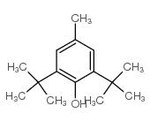


THYMOL
Why Choose Us
Most Competitive Pricing
With more than 10 years working experience, we always offer the most competitive pricing to customers to help lower their cost in application.
24H Online Service
Our experienced staff is dedicated to answer all of your inquires, feedback or other requirements in 24 hours. We welcome you to contact us for more information and look forward to working with you.
High Quality
Our products are sourced directly from manufacturers and each is carefully qualified to ensure compliance with EHS&S, packaging, and quality standards. Our product stewardship efforts provide important health, safety, and environmental information to our supply chain partners.
Rich Experience
We understand what factors influence supply and demand, product availability, and pricing and we share this knowledge with our supply chain partners regularly. We provide information about products and market analysis to assist you in making better, quicker business decisions.
What is THYMOL
Thymol, or thymol, is a monoterpene and a phenolic derivative of cumene. Its molecular formula is C₁₀H₁₄O, which is an isomer of carvacrol and is named after it is found in thyme. The extracted thymol is a white crystalline solid with a pleasant aromatic smell.


Antimicrobial Properties
Thymol possesses potent antimicrobial properties, making it an effective ingredient in oral care products like mouthwashes, toothpaste, and breath fresheners. It helps combat bacteria, fungi, and other microorganisms, contributing to oral hygiene and freshness.
Skincare Benefits
Thymol offers potential benefits for the skin, including antiseptic and soothing properties. It is commonly found in cleansers, toners, and topical ointments, where it can help address issues such as acne, inflammation, and skin infections.
Antioxidant Effects
As an antioxidant, thymol helps protect the skin from free radical damage caused by environmental factors such as UV radiation and pollution. This makes it beneficial in anti-aging skincare products, where it can help reduce the signs of aging and maintain skin health.
Aromatherapy
Thymol's pleasant aroma, often described as herbal and uplifting, makes it suitable for use in aromatherapy products like essential oils and fragrances. It can promote relaxation, stress relief, and overall well-being when used in diffusers or during massages.
What are the Applications of Thymol
In Pharma Industry
Thyme has strong antibacterial, anti-fungal, antivirotic, expectorant, antispasmodic, sedative, antiseptic, antioxidant, carminative, and diaphoretic properties.
In Food Industry
Thymol has been shown to exhibit an antiseptic property that is 30 times higher than that of other phenol compounds and contributes to the antibacterial activity of thyme EO. These substances exhibit bioactivity against pathogenic microorganisms and food spoilage microflora, as well as antifungal and antibacterial properties.
In Cosmetic Industry
More importantly, thymol, an essential oil derived from the thyme plant, shows to be far more compatible with skin cells than certain commonly used antibiotic medications and chemicals. Thymol has exceptional antibacterial characteristics.
Pharmacokinetics of Thymol

Distribution
Free thymol is usually not detectable in human plasma. It is circulated as thymol sulfate, not glucuronide, in the blood stream as detected by liquid chromatography-mass spectrophotometry/mass spectrophotometry (LC-MS/MS). Thymol sulfate has been detected in plasma 20 min after administration. The maximum plasma levels (93.1 ± 24.5 ng/ml) of thymol were reported after 1.97 ± 0.77 h of administration. After administration the bioavailability of thymol measured in plasma as thymol sulfate was found to be about 16%. It is eliminated by kidneys and is measured in the urine as thymol conjugates. The volume of distribution (Vdss/f) of 14.7 L has revealed that thymol sulfate mainly resides in the extracellular space (Kohlert et al., 2002).
Metabolism
Thymol undergoes glucuronidation by uridine 5′-diphospho-glucuronosyltransferase (UGT) following secretion into the proximal tubule (Raoof et al., 1996; Shipkova et al., 2001). The absence of thymol glucuronide in plasma could be due to the lower activity of hepatic UGT compared to sulfotransferase and the formation of glucuronide was shown only at much higher doses (Ogata et al., 1995). In healthy human volunteers, thymol (0.6 g/kg) was metabolized to thymol sulfate, thymol glucronide and thymol thymohydroquinone sulfate and it was excreted in urine (Takada et al., 1979).

Pharmacological Properties of Thymol
Antioxidant Properties
The antioxidant properties of thymol have been well documented in various preclinical studies including cell lines and animal models. At high rate constants, it effectively scavenged the hydroxyl free radicals thereby producing major transient species named phenoxyl radicals. The generated adducts from the phenoxyl radicals undergo dehydration which can be accelerated by an alkaline medium. The addition of hydroxyl radicals at the ortho position (C6 atom) of the phenolic group yields the phenoxyl radical after dehydration. The attack at the ortho position is more favorable energetically while the attack at the para position is also expected to occur. Furthermore, additions at the ortho positions occur without any precomplex formation. The non-toxicity and redox potential of the thymol•/thymol couple makes
Anti-inflammatory Properties
Thymol (150 μM) has been shown to ameliorate LPS-induced inflammation in murine macrophage cell lines (Chauhan et al., 2014). Thymol (84 μg/ml) treatment attenuated lipopolysaccharide (LPS) and interferon gamma (IFN-γ) induced macrophage inflammation in vitro by inhibiting messenger RNA expression of inducible nitric oxide (NO) in J774A.1 cell lines (Vigo et al., 2004). In human polymorphonuclear neutrophils (PMNs), thymol (10 and 20 μg/ml) inhibited the synthetic chemotactic peptide N-formyl-methionyl-leucyl-phenylalanine (fMLP)-induced release of elastase, a marker of inflammatory diseases and a serine proteinase released by activated human neutrophils in a concentration-dependent manner (Braga et al., 2006). Thymol (100 μM) has been reported to alter prostaglandin catalyzed biosynthesis by inhibiting both isoforms of cyclooxygenase (COX), with the most active being against COX-1 with an IC50 value of 0.2 μM. These studies suggest the potential of thymol as an anti-inflammatory drug and indicate that it could be used in a similar fashion to non-steroidal anti-inflammatory drugs (Marsik et al., 2005).
Thymol: a Natural And Powerful Antimicrobial Ingredient
While thymol is safe for user and the environment, it is a natural and highly effective antimicrobial ingredient. So how does this powerful antimicrobial agent actually work? It's simple: thymol disrupts pathogens' cell walls and membranes.
Once cell walls and membranes have been damaged and cell content leaks out, bacteria, viruses, mold, fungi and yeast are killed as they come into contact with the thymol. Now that's a natural alternative that packs a punch!Thymol in Thymox products kills viruses, including the coronavirus that causes COVID-19. A number of our cleaners, including THYMOX MultiSurface, are highly effective in eliminating the COVID-19 virus and other pathogens on objects and surfaces.
Thymol Antibacterial Principle
Enhance Intestinal Epithelial Defense Function
It has been confirmed that thymol does not directly inhibit and kill pathogenic bacteria in vitro, but it can resist diarrhea caused by pathogenic microorganisms after being ingested by livestock and poultry. This may be mainly achieved by improving the self-defense function of the intestinal epithelium. For example, allicin cannot directly inhibit E. coli, but it can enhance the resistance of intestinal epithelial cells to K88 E. coli infection and reduce the increase in intestinal epithelial cell permeability caused by E. coli.
Enhance Bacterial Cell Membrane Permeability
An important feature of thymol is hydrophobicity, which allows thymol to separate the phospholipid structures on bacterial cell membranes and mitochondria, destroy cell structures, enhance cell membrane permeability, and lead to the leakage of intracellular ions and other substances. If a large amount of intracellular cellular contents or important ions or molecules are leaked, bacterial cell death may occur.
Inhibit Bacterial Peptidoglycan Synthesis
Some in vitro studies have shown that thymol can inhibit the synthesis of bacterial peptidoglycan and damage the bacterial morphology. Thymol can also damage or degrade the bacterial cell wall, destroy the cytoplasmic membrane, and destroy the cell membrane protein structure. It can also condense the bacterial cytoplasm. Reduce bacterial proton mobility.
Our Factory
Chemintel Is a chemical company that specializes in the operation of high-quality chemicals, brand promotion and supporting services of customer supply chain. it is committed to select the most competitive chemicals produced by high-quality and sustainable manufacturers from china to provide services to global customers. so far, chemintel has launched more than 100 chemicals, of which more than 20 have the exclusive right to operate in the international market and the chinese market. our products have application in the fields of pharmaceuticals & fine chemicals, pesticides, dyes, flavors and fragrances, feed additives, green fibers & others.
So Far, Chemintchemical company that specializes in the operation of high-quality chemicals, brand promotion and supporting services of customer supply chain. it is committed to select the most competitive chemicals produced by high-quality and sustainable manufacturers from china to provide services to global customers. so far, chemintel has launched more than 100 chemicals, of which more than 20 have the exclusive right to operate in the international market and the chinese market. our products have application in the fields of pharmaceuticals & fine chemicals, pesticides, dyes, flavors and fragrances, feed additives, green fibers & others.


FAQ
Q: What is thymol ?
Q: Where is thymol used?
Q: How is thymol used in the food industry?
Q: Health benefits of thymol ?
Q: What are the dangers of thymol ?
Q: How is thymol regulated across the world?
Q: Can thymol cure sore throat?
Q: What are the side effects of too much thymol?
Q: What are the side effects of thymol?
Q: How effective is thymol?
Q: Is thymol safe to consume?
Q: What are the side effects of thymol disinfectant?
Q: What are the side effects of too much thymol?
Q: Is thymol good for your skin?
Q: Is thymol good for cough?
Q: Is thymol a good antibacterial?
Q: Is thymol in Listerine?
Q: Where does thymol come from?
Q: Does thymol help oral health?
Q: Is thymol an allergen?
Thymol, and its main natural source, thyme (Thymus vulgaris L.), are employed for their positive antioxidant, anti-inflammatory, local anaesthetic, antinociceptive, cicatrizing, antiseptic, antibacterial, and antifungal properties as well as for their beneficial effects on the cardiovascular system.
Hot Tags: thymol, China thymol manufacturers, suppliers, factory, spicy aromas, jasmine extract, eau de toilette, almond fragrance, room sprays, rayon aroma
Previous
Benzyl AcetateNext
No InformationYou Might Also Like
Send Inquiry